
A sudden twist during a football match. A painful landing while climbing stairs. A sharp pop in your knee during a workout. Knee injuries often happen unexpectedly, but identifying the exact injury is not always easy.
Many people confuse an ACL tear vs meniscus tear because both injuries affect the knee and can cause pain, swelling, and difficulty walking. However, they involve different structures, require different treatments, and have different recovery timelines.
Understanding the difference can help you seek the right medical attention early and prevent long term knee damage. Whether you are an athlete, a fitness enthusiast, or someone who has suffered an accidental fall, knowing the warning signs is essential.
What Is an ACL Tear?
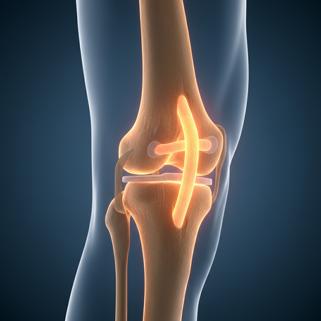
An ACL injury is a tear or sprain of the Anterior Cruciate Ligament, one of the major ligaments that stabilizes the knee joint.
The ACL prevents excessive forward movement and rotation of the shin bone. It is commonly injured during sports that involve:
- Sudden changes in direction
- Jumping and landing
- Pivoting movements
- Direct impact to the knee
This is why ACL injuries are frequently seen in football, basketball, badminton, cricket, skiing, and other high impact sports.
Common ACL injury symptoms
- A loud popping sound at the time of injury
- Immediate swelling within a few hours
- Severe knee pain
- Feeling that the knee gives way while walking
- Difficulty bearing weight
- Reduced range of motion
One of the biggest indicators of an ACL tear is knee instability. Many patients describe the feeling as though the knee cannot support their body weight.
What Is a Meniscus Tear?
The meniscus is a C shaped cartilage that acts as a shock absorber between the thigh bone and shin bone.
A meniscus tear can occur during sports, but it is also common in older adults due to age related wear and tear.
Unlike an ACL injury, the meniscus helps cushion the joint and distribute body weight evenly.
Common meniscus tear symptoms
- Pain along the joint line
- Swelling that develops gradually
- Knee stiffness
- Clicking or locking sensation
- Difficulty fully straightening the knee
- Pain while squatting or twisting
A torn meniscus often causes mechanical symptoms such as locking or catching, which are less common with isolated ACL injuries.
ACL Tear vs Meniscus Tear: Quick Comparison
|
Feature |
ACL Tear |
Meniscus Tear |
|
Injured Structure |
Knee ligament |
Knee cartilage |
|
Typical Cause |
Sudden twist or pivot |
Twisting or degeneration |
|
Pop Sound |
Common |
Less common |
|
Swelling |
Rapid |
May develop gradually |
|
Knee Stability |
Often unstable |
Usually stable unless severe |
|
Locking of Knee |
Rare |
Common |
|
Pain Location |
Deep inside knee |
Along the joint line |
Although these differences are helpful, some patients suffer both injuries at the same time, making professional evaluation important.
Can You Have Both Injuries Together?
Yes.
A significant sports injury or road accident can damage both the ACL and the meniscus simultaneously.
Patients with combined injuries often experience:
- Severe swelling
- Knee instability
- Locking sensation
- Significant pain
- Difficulty walking
These injuries usually require detailed imaging and an individualized treatment plan.
How Doctors Diagnose Knee Injuries
Accurate diagnosis begins with understanding how the injury happened.
An orthopedic specialist will typically assess:
- Direction of injury
- Presence of swelling
- Knee stability
- Range of movement
- Areas of tenderness
Clinical examination is usually followed by imaging tests when necessary.
An MRI is considered one of the most useful investigations because it clearly shows both ligaments and cartilage, helping distinguish between an ACL injury and a meniscus tear.
Treatment for ACL Tears
Treatment depends on the severity of the injury, activity level, and future goals.
Non surgical treatment
Some patients with partial ACL injuries may benefit from:
- Physiotherapy
- Strengthening exercises
- Knee braces
- Activity modification
Surgical treatment
Complete ACL tears often require reconstruction, particularly in:
- Young athletes
- Active adults
- Individuals with knee instability
- Patients planning to return to sports
Modern arthroscopic techniques allow surgeons to reconstruct the ligament through minimally invasive procedures, promoting faster recovery and rehabilitation.
Treatment for Meniscus Tears
Not every meniscus tear requires surgery.
Treatment options include:
- Rest
- Ice therapy
- Compression
- Elevation
- Physiotherapy
- Anti inflammatory medication when appropriate
Surgery may be recommended if:
- The knee repeatedly locks
- The tear is large
- Conservative treatment fails
- The patient has persistent pain
Whenever possible, orthopedic surgeons aim to preserve the meniscus because it plays a crucial role in protecting the knee joint.
When Should You See an Orthopedic Surgeon Mumbai?
Do not ignore persistent knee pain after an injury.
Seek medical attention if you experience:
- Immediate swelling
- A popping sensation
- Difficulty walking
- Knee instability
- Locking of the knee
- Persistent pain lasting more than a few days
- Inability to fully bend or straighten the knee
Early diagnosis often leads to better treatment outcomes and may reduce the risk of long term joint damage.
Recovery Timeline
Recovery varies depending on the injury.
ACL injury
- Physiotherapy may continue for several months.
- Return to sports generally takes several months after reconstruction, depending on rehabilitation progress.
Meniscus injury
- Minor tears may improve with conservative treatment.
- Surgical recovery depends on whether the cartilage is repaired or partially removed.
Following the rehabilitation plan consistently is one of the most important factors for successful recovery.
Can ACL and Meniscus Injuries Be Prevented?
While accidents cannot always be avoided, injury risk can be reduced.
Some preventive measures include:
- Strengthening the muscles around the knee
- Improving balance and coordination
- Performing proper warm up exercises
- Learning correct jumping and landing techniques
- Wearing appropriate footwear
- Avoiding sudden increases in training intensity
Athletes who follow structured injury prevention programs often experience fewer serious knee injuries.
Frequently Asked Questions
How do I know if I have an ACL tear vs meniscus tear?
An ACL tear usually causes immediate swelling, a popping sensation, and knee instability. A meniscus tear more commonly causes pain along the joint line, stiffness, and locking of the knee. A clinical examination and MRI help confirm the diagnosis.
Can I walk with an ACL tear?
Some people can walk after an ACL tear, but the knee often feels unstable and may give way during movement.
Does every meniscus tear require surgery?
No. Many meniscus tears improve with physiotherapy and conservative treatment. Surgery is recommended only when symptoms persist or the tear significantly affects knee function.
Which injury is more painful?
Both injuries can be painful, but the symptoms differ. ACL injuries often produce sudden, severe pain and swelling, while meniscus tears may cause persistent pain with twisting or squatting.
When should I consult an orthopedic surgeon Mumbai?
You should seek medical evaluation if you have knee swelling, instability, locking, difficulty walking, or persistent pain following an injury.
Final Thoughts
Although both injuries affect the knee, understanding the difference between an ACL tear vs meniscus tear is important because the treatment approach can be very different. Recognizing ACL injury symptoms, identifying meniscus tear symptoms, and seeking timely care can help prevent complications and improve recovery.
If you have experienced a knee ligament injury or persistent knee pain after a sports related incident, consult an experienced orthopedic surgeon Mumbai for a detailed evaluation and a personalized treatment plan.