
Comprehensive General Orthopedics & Trauma Care in South Mumbai
Musculoskeletal pain can strike at any age, whether from a sudden fall, a sports injury, or the natural wear and tear of aging joints. If you are looking for an expert general orthopedic doctor in South Mumbai, Mumbai Ortho Care provides world-class diagnostic and therapeutic treatments. Located conveniently in Lalbaug, our clinic serves as your first line of defense for bone and joint health, offering everything from advanced fracture casting to comprehensive arthritis management plans aimed at keeping you active and pain-free.
About General Orthopedics & Trauma Care Conditions
- What it is: Comprehensive diagnostic, non-surgical, and surgical care for a wide range of musculoskeletal conditions affecting bones, joints, muscles, and ligaments.
- Best for: Undiagnosed joint pain, acute fractures, osteoporosis management, muscle sprains, and early-stage arthritis.
- Specialist: Dr. Harshil Shah (Consultant Orthopedic Trauma & Joint Surgeon).
- Treatment Focus: Accurate initial diagnosis via X-ray/MRI, followed by conservative treatments like casting, bracing, physiotherapy, or targeted medications.
- Average Recovery: Varies by condition; minor sprains heal in 1-3 weeks, while bone fractures typically require 6-8 weeks of immobilization.
When to See a General Orthopedic Specialist
Sudden, acute pain following a fall, accident, or sports injury (suspected fractures or sprains).
Persistent joint stiffness or "creaking" that is worse in the mornings.
Progressive weakness or a shrinking range of motion in your arms, legs, or spine
Bone pain that wakes you up at night.
You have been diagnosed with osteopenia or osteoporosis and need a bone-strengthening protocol.
When to See a General Orthopedic Specialist
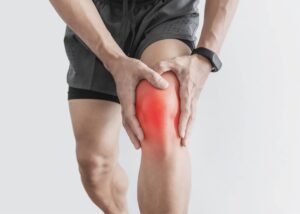
Sudden, acute pain following a fall, accident, or sports injury (suspected fractures or sprains).
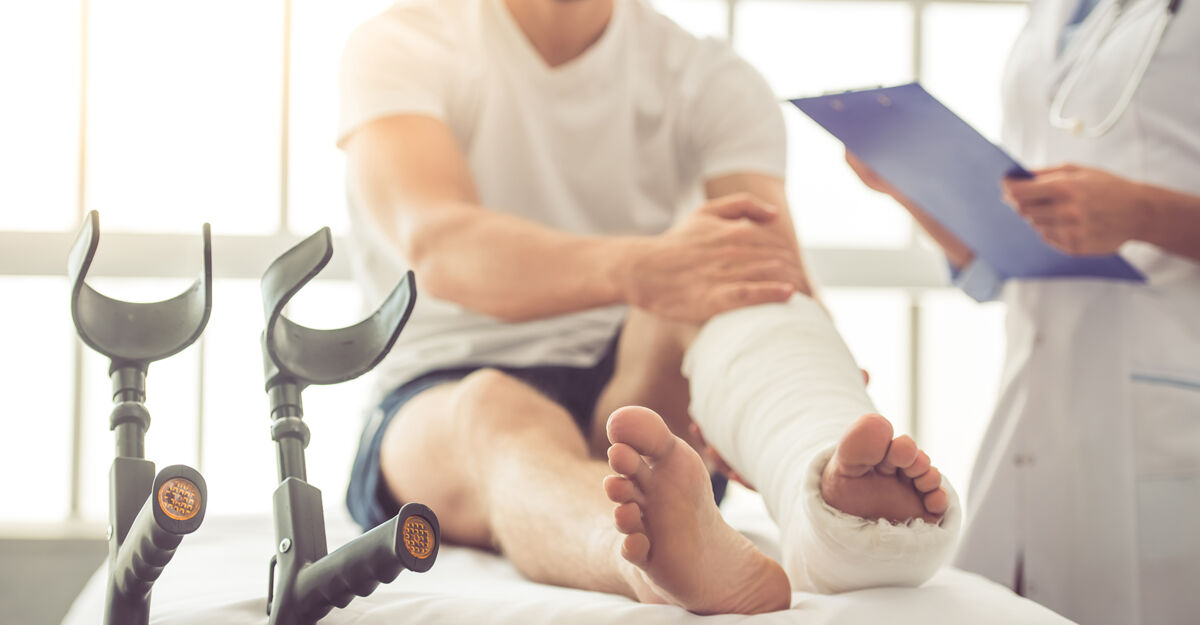
Persistent joint stiffness or "creaking" that is worse in the mornings.
Progressive weakness or a shrinking range of motion in your arms, legs, or spine.
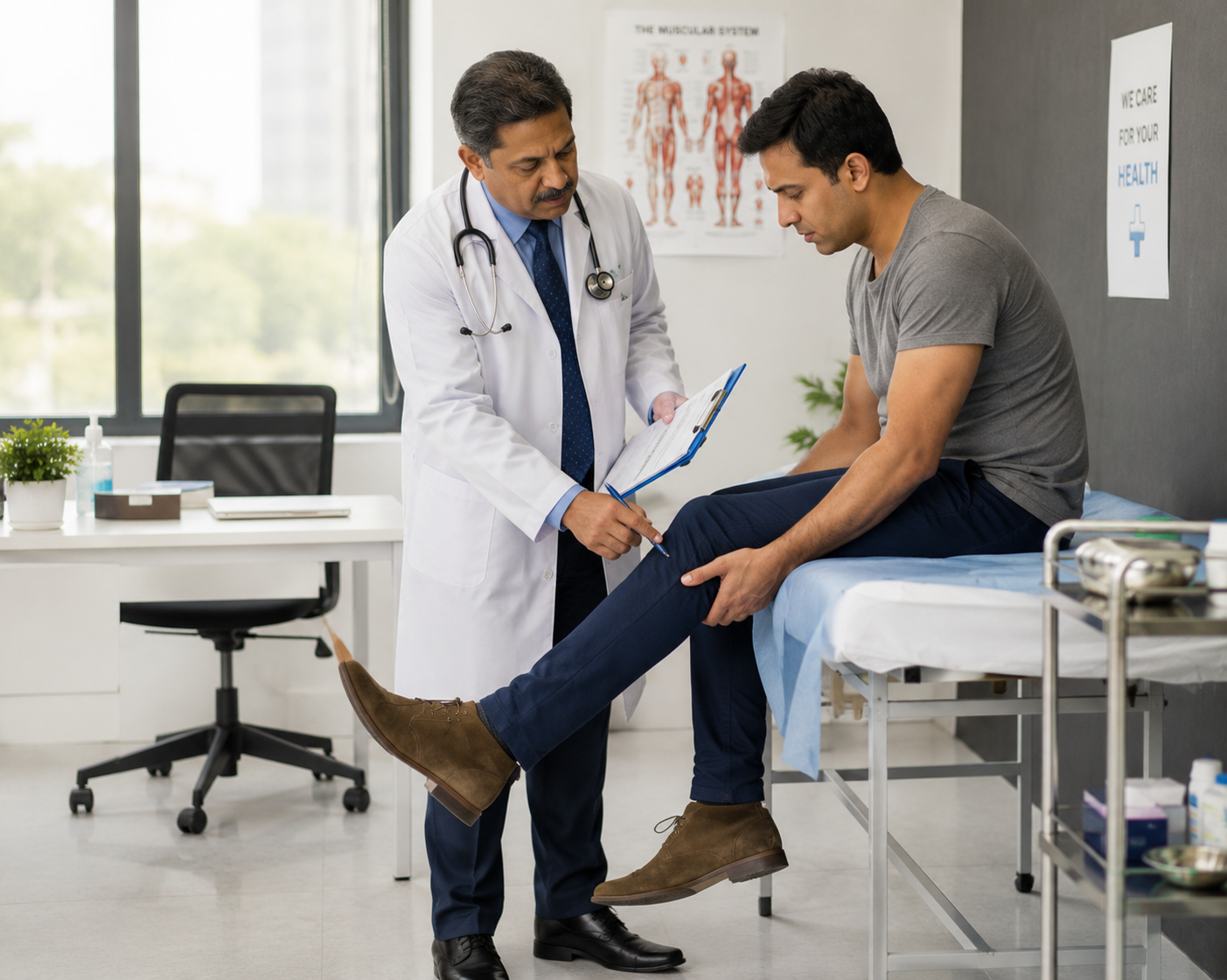
Bone pain that wakes you up at night.
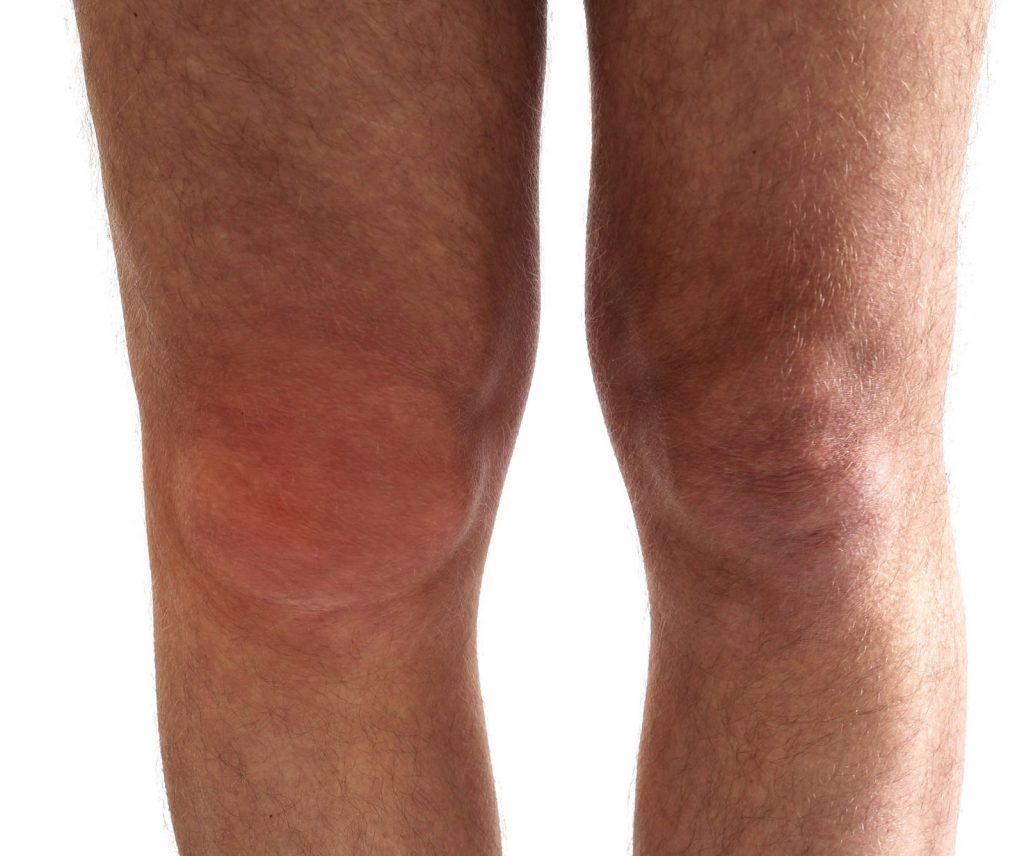
You have been diagnosed with osteopenia or osteoporosis and need a bone-strengthening protocol.
The Orthopedic Diagnostic & Treatment Pathway
Initial Evaluation
(Day 1)
Detailed physical examination, medical history review, and on-site digital X-rays to assess bone alignment and joint spacing.
Conservative Care
(Weeks 1-4)
Implementation of non-surgical protocols: custom bracing, anti-inflammatory medications, and guided physiotherapy.
Advanced Intervention
(If needed)
If conservative care fails, advanced imaging (MRI) is ordered to plan for targeted injections or minimally invasive surgery.
Why Trust Mumbai Ortho Care for Trauma & Bone Health?
Accurate diagnosis, advanced treatment options, and personalised care focused on relieving pain and restoring comfortable movement.
Experienced Orthopaedic Specialist
Extensive experience in diagnosing and treating a wide range of elbow conditions with precision and care.
Advanced Diagnosis
Use of modern imaging and clinical evaluation to ensure accurate diagnosis and effective treatment planning.
Personalized Treatment Plans
Each patient receives a customized treatment approach based on their condition, lifestyle, and recovery goals.
Complete Recovery Focus
Emphasis on pain relief, functional restoration, and long-term joint health through proper rehabilitation.
HOW YOUR TREATMENT WORKS
01 Consultation
“We understand your symptoms and review your medical history for accurate evaluation.”
02 Diagnosis & Imaging
“We perform a physical exam and recommend X-ray/MRI only when needed.”
03 Treatment Plan
“We provide a personalised treatment plan—medications, physiotherapy, or surgical options.”
04 Recovery & Follow-Up
“We support your recovery with physiotherapy, monitoring, and follow-up visits.”
READY TO IMPROVE YOUR MOBILITY? TALK TO OUR ORTHOPAEDIC EXPERTS
Have questions about joint pain, fractures, sports injuries, arthritis, or numbness?
We’re here to offer clarity, guidance, and the right treatment plan for your recovery.
F.A.Qs
We treat a wide spectrum of issues including fractures, muscle strains, ligament sprains, osteoporosis, and all types of arthritis.
No, you can book a primary consultation directly with our Lalbaug clinic for any bone, joint, or muscle concerns
Many clean, non-displaced fractures are successfully treated by realigning the bone and immobilizing it with advanced, lightweight fiberglass casts or custom splints.
While completely reversing it is difficult, we can aggressively slow bone loss and rebuild density through specific calcium/Vitamin D protocols, weight-bearing exercises, and advanced medications.
If your joint pain lasts more than two weeks, causes visible swelling, or prevents you from bearing weight, you should seek immediate orthopedic evaluation.