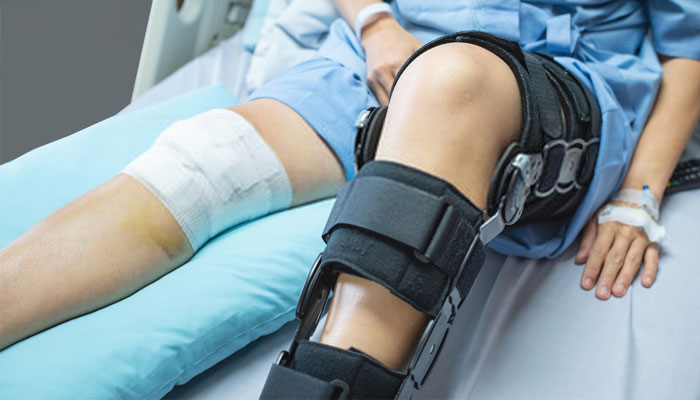
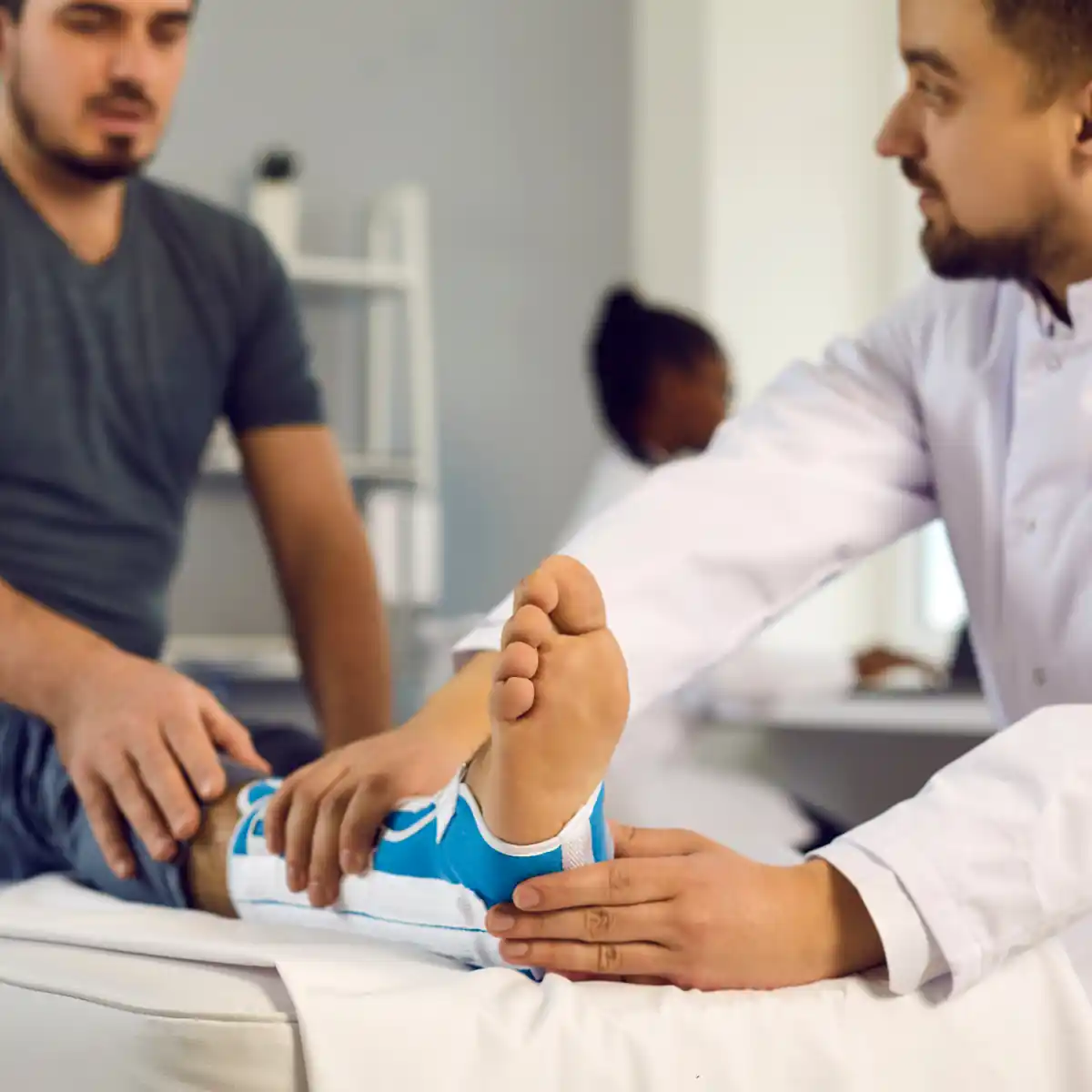
Trauma & Fracture Care
Prompt diagnosis and expert treatment for fractures and orthopaedic trauma to ensure proper healing and restore function.
About Trauma & Fracture Care
Orthopaedic trauma involves injuries to bones, joints, and surrounding tissues caused by accidents, falls, or sports injuries. Fractures require timely and accurate treatment to ensure proper alignment, healing, and long-term function. Early care plays a crucial role in preventing complications.
Injuries from accidents, falls, and sudden impact can lead to fractures and trauma that require immediate and skilled orthopedic attention. Proper and timely treatment not only ensures correct bone healing but also prevents long term complications. Our orthopedic clinic in Mumbai provides dedicated Trauma and Fracture Care for patients of all ages, offering accurate diagnosis, emergency management, and structured rehabilitation for complete recovery.
Fractures and trauma can range from simple cracks to complex breaks that affect surrounding muscles, ligaments, or joints.
Conditions We Treat

Bone Fractures
Breaks in bones due to falls, accidents, or trauma.

Joint Dislocations
Displacement of bones causing pain and instability.

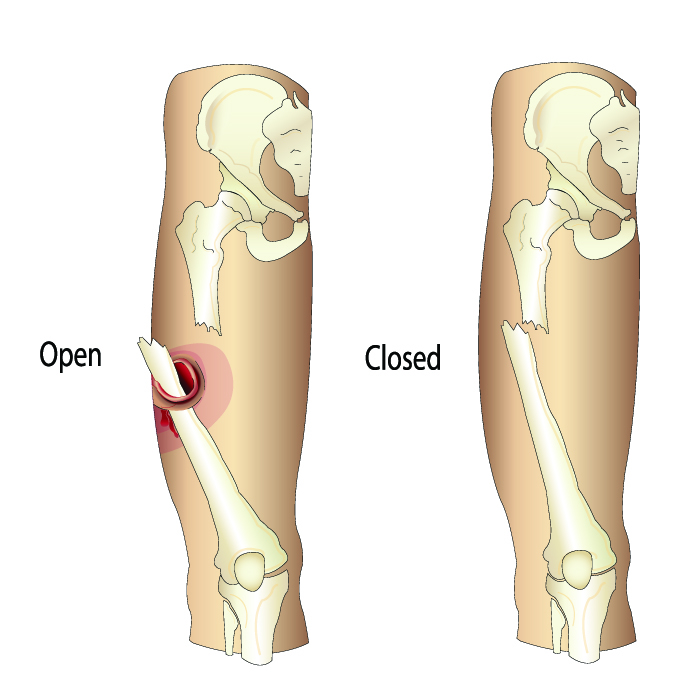
Open (Compound) Fractures
Severe injuries requiring urgent surgical care.

Sports-Related Injuries
Trauma affecting bones, ligaments, or joints.

Pelvic & Complex Fractures
High-impact injuries requiring specialized management.

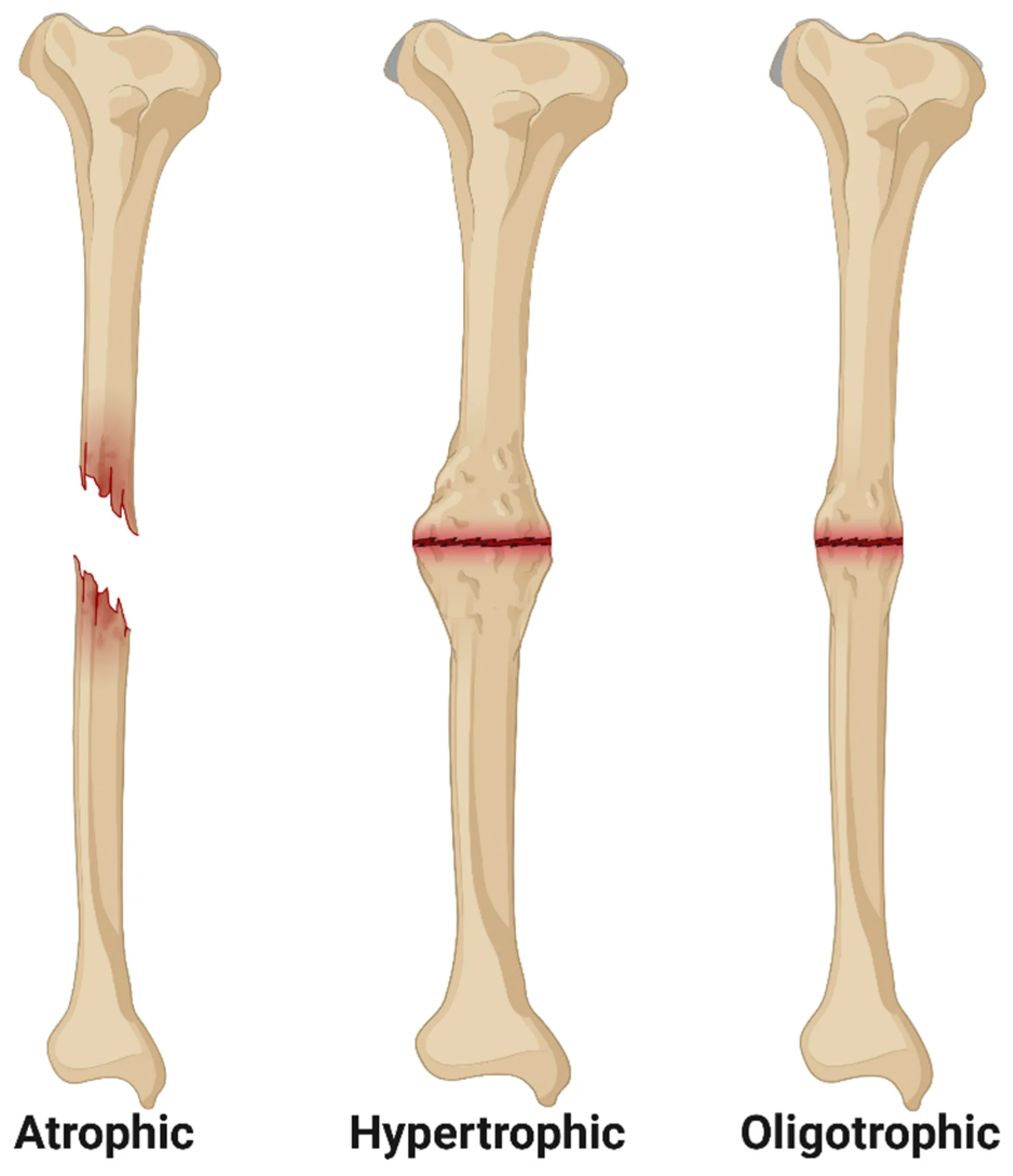
Non-Union & Mal-Union Fractures
Improperly healed fractures needing corrective treatment.
Evaluation & Diagnosis
Accurate and timely diagnosis is essential in trauma and fracture care. Our orthopaedic specialist evaluates the injury, pain severity, swelling, deformity, and joint function to determine the extent of damage.
When a fracture or trauma occurs, accurate and prompt assessment is crucial. Our specialists evaluate the injury through clinical examination, checking alignment, mobility, swelling, and nerve or blood vessel involvement. Diagnostic imaging such as X rays or MRI scans may be recommended depending on the severity of the injury.This detailed evaluation helps us determine the correct course of treatment for immediate care and long term recovery.
Treatment Options for Trauma & Fracture Care
Non-Surgical Treatment
->Rest & activity modification ->Physiotherapy ->Medication & injections ->Activity modification
Surgical Treatment
-> Fracture fixation (plates, screws, rods) ->Dislocation reduction ->Complex trauma surgery
Rehabilitation & Recovery
-> Post-treatment physiotherapy ->Strength & mobility exercises ->Long-term joint care
Why Choose Us for Trauma & Fracture Care
Experienced Orthopaedic Specialist
Extensive experience in diagnosing and treating a wide range of fracture conditions with precision and care.
Advanced imaging and surgical techniques
Use of modern imaging and clinical evaluation to ensure accurate diagnosis and effective treatment planning.
Personalized Treatment Plans
Each patient receives a customized treatment approach based on their condition, lifestyle, and recovery goals.
Focus on Mobility & Recovery
Treatment aimed at pain relief, stability, and long-term movement.
F.A.Q.
Trauma and fracture care refers to the diagnosis and treatment of injuries caused by accidents, falls, sports activities, or forceful impacts. It includes the management of broken bones (fractures), soft-tissue injuries.
Common signs of a fracture include severe pain, swelling, bruising, deformity, difficulty moving the affected area, and inability to bear weight. If any of these symptoms are present after an injury, prompt medical evaluation is recommended.
Fractures are usually diagnosed through a clinical examination and imaging tests such as X-rays, CT scans, or MRI. These tests help determine the type, location, and severity of the fracture so that the best treatment plan can be made.
Treatment depends on the fracture type and may include immobilization with casts or splints, closed reduction (non-surgical alignment), surgical fixation with plates, screws or rods, and follow-up rehabilitation to restore movement and strength.
Fracture healing time varies depending on the bone involved, the patient’s age, overall health, and treatment method. Most simple fractures begin healing within 6–8 weeks, but recovery can take longer for complex injuries or if surgery was required.
You should see an orthopedic specialist immediately if there is severe pain, visible deformity, inability to move the limb, open wounds with bone exposure, or signs of nerve or blood vessel injury. Early evaluation improves outcomes and prevents complications.
Yes. Proper trauma and fracture care, including accurate alignment, stabilization, and rehabilitation, helps prevent long-term issues such as stiffness, delayed healing, malunion (healing in the wrong position), and chronic pain.
Physiotherapy is often an important part of recovery. It helps restore joint movement, muscle strength, flexibility, and coordination. A structured rehabilitation plan improves functional recovery and reduces the risk of stiffness or weakness after a fracture.
Expert Care When It Matters Most
Prompt and reliable trauma and fracture care focused on proper healing and recovery.
Book your appointment today for expert orthopaedic treatment.