
Advanced Ligament Tear Injury Treatment in
South Mumbai
A sudden twist, a loud pop, and instant instability—ligament tears are traumatic, but they don’t have to end your active lifestyle. If you have suffered a sports injury, finding the right ligament tear treatment in South Mumbai is critical for long-term joint stability. Our clinic in Lalbaug specializes in conservative rehabilitation and advanced anatomic ACL reconstruction, ensuring your joint is rebuilt to withstand the demands of your life.
About Ligament Tear & Sports Injuries
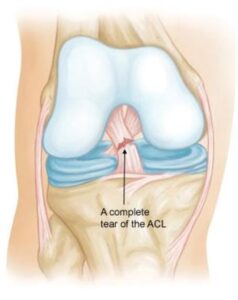
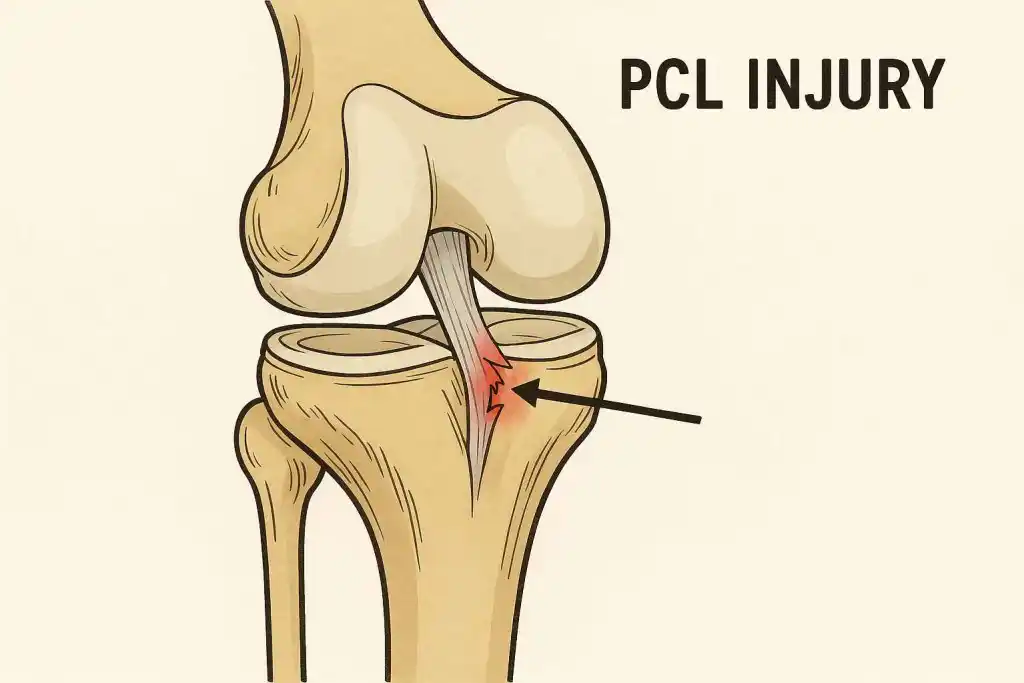
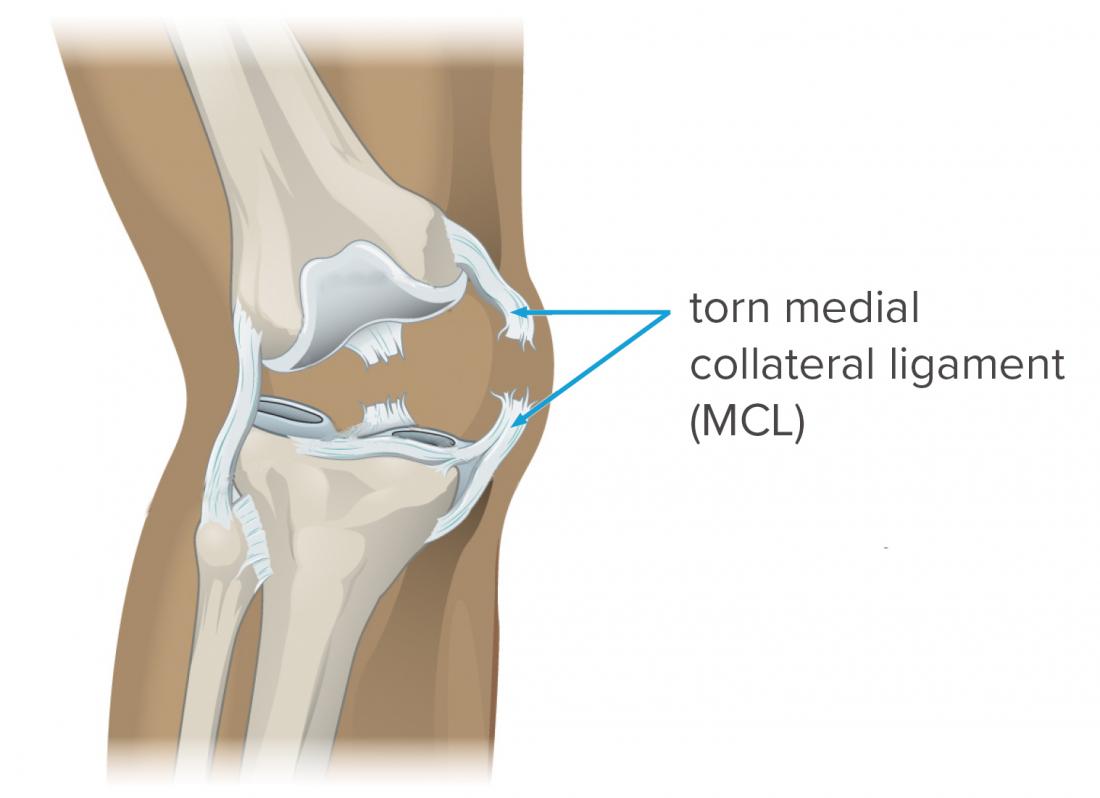
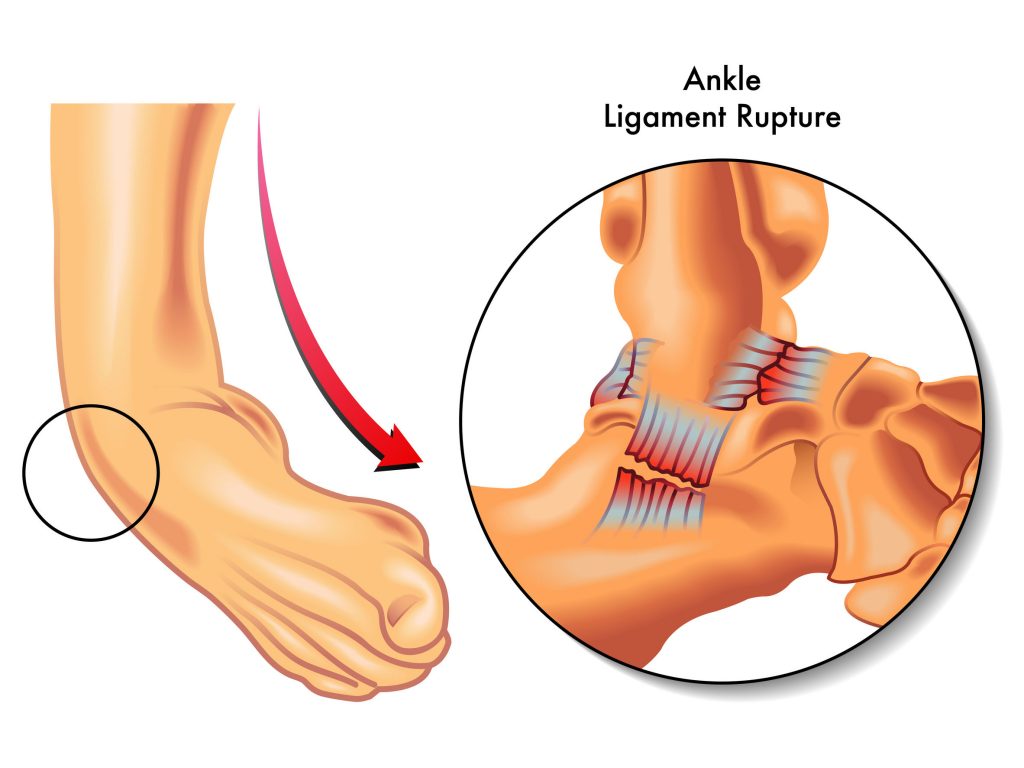
- What it is: Specialized treatment and surgical reconstruction of torn ligaments, most commonly the ACL, PCL, MCL, or ankle ligaments.
- Best for: Athletes and active individuals who have suffered sudden joint twists, “popping” sensations, or instability.
- Surgeon: Dr. Harshil Shah (Consultant Orthopedic & Sports Injury Surgeon).
- Technology Used: Minimally invasive ligament reconstruction utilizing high-strength biological grafts.
- Average Recovery: Physical therapy starts immediately; return to competitive sports typically within 6 to 9 months.
Signs of a Torn Ligament
Loss of full range of motion in the affected joint.
A feeling that the joint is "giving way" when you try to bear weight.
Rapid, severe swelling within the first 24 hours.
Severe pain that prevents you from continuing your activity.
A loud "pop" sound or sensation at the exact moment of injury.
The ACL Reconstruction Recovery Timeline
Immediate Post-Op (Weeks 1-2)
Focus on reducing swelling, restoring full knee extension, and walking with crutches.
Early Rehab (Weeks 3-6)
Crutches are weaned off. Focus shifts to regaining muscle control and closed-chain exercises.
Strengthening (Months 2-5)
Intensive physical therapy to rebuild quadriceps and hamstring strength. Jogging may begin.
Return to Play (Months 6-9+)
Sport-specific training and agility drills. Clearance is given based on strength testing, not just time.
Why Trust Our Knee & Sports Injury Team?
Returning to sports requires precise surgical anatomical repair and strict rehabilitation. At Mumbai Ortho Care, your treatment is guided by a premier surgical team led by Prof. Dr. Ganesh Rajeshwar and Dr. Harshil Shah. Prof. Dr. Ganesh brings advanced international fellowship training in arthroscopic (keyhole) surgery and sports injury treatments. He is supported by Dr. Harshil Shah, who brings unmatched expertise in knee biomechanics and advanced joint reconstruction. Together, they utilize the latest minimally invasive biological grafts to ensure athletes recover their full strength and return to an active life.
Why Choose Us for Ligament Injury Treatment
Accurate diagnosis, advanced treatment options, and personalised care focused on relieving pain and restoring comfortable movement.
Experienced Orthopaedic Specialist
Extensive experience in diagnosing and treating a wide range of elbow conditions with precision and care.
Advanced Diagnosis
Use of modern imaging and clinical evaluation to ensure accurate diagnosis and effective treatment planning.
Personalized Treatment Plans
Each patient receives a customized treatment approach based on their condition, lifestyle, and recovery goals.
Complete Recovery Focus
Emphasis on pain relief, functional restoration, and long-term joint health through proper rehabilitation.
Recover Strength and Stability
Expert care for ligament tears and sports injuries using modern orthopaedic techniques. Book your consultation today and return to an active lifestyle safely.
F.A.Qs
Patients report a distinct “pop” followed by rapid swelling and a feeling that the knee is giving out.
Minor sprains heal with bracing, but complete ruptures (Grade 3) usually require surgical reconstruction for active individuals.
It is typically a minimally invasive day-care procedure taking about one to two hours.
- Safe return to high-impact sports generally takes 6 to 9 months post-surgery.
- Yes, a strict rehab protocol is mandatory to regain strength and joint confidence.