
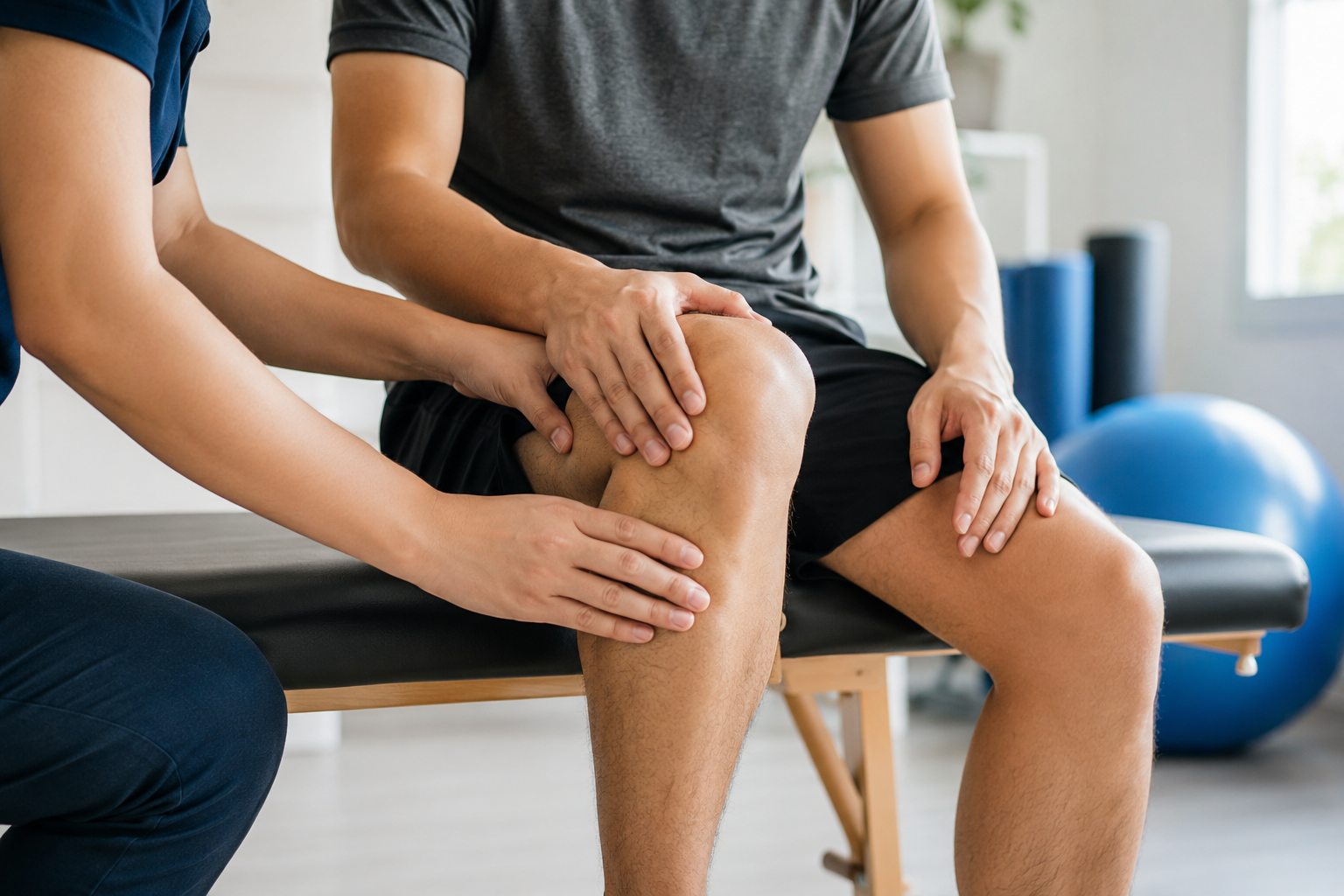
Knee pain can affect every aspect of daily life. Whether it is climbing stairs, walking to work, exercising, or even getting out of bed, persistent discomfort in the knees can significantly reduce mobility and quality of life. Many people assume that surgery is the only option when knee pain becomes severe. However, modern orthopedic medicine offers several highly effective non surgical solutions that can help reduce pain, improve function, and delay or even avoid surgery altogether.
Understanding the right knee pain treatment options can help you make informed decisions and regain confidence in your movement without undergoing an operation.
Understanding Knee Pain and Its Causes
The knee is one of the most complex joints in the body. It supports body weight while allowing movement, making it vulnerable to wear and tear, injuries, and age related conditions.
Common causes of knee pain include:
- Osteoarthritis
- Rheumatoid arthritis
- Ligament injuries
- Meniscus tears
- Tendon inflammation
- Muscle weakness around the knee
- Overuse injuries
- Obesity and excess joint stress
The appropriate orthopedic treatment for knee pain depends on identifying the underlying cause through proper clinical evaluation and imaging studies when necessary.
What Is Non Surgical Knee Pain Treatment?
Non surgical knee pain treatment refers to medical interventions designed to reduce pain, improve joint function, and enhance mobility without performing surgery.
These treatments focus on:
- Controlling inflammation
- Strengthening supporting muscles
- Improving joint mechanics
- Promoting tissue healing
- Slowing disease progression
For many patients, conservative treatments can provide significant improvement and help maintain an active lifestyle.
Physiotherapy for Knee Pain: The Foundation of Recovery
One of the most effective and widely recommended approaches is physiotherapy for knee pain.
Physiotherapy aims to strengthen the muscles surrounding the knee, improve flexibility, and restore proper movement patterns. A customized rehabilitation program can reduce pressure on the knee joint while improving stability.
Benefits of Physiotherapy
- Improved joint mobility
- Reduced stiffness
- Better muscle strength
- Enhanced balance and coordination
- Lower risk of future injuries
Patients with arthritis, sports injuries, and post traumatic knee pain often experience substantial improvement through consistent physiotherapy.
Who Can Benefit?
Physiotherapy is particularly effective for:
- Early arthritis
- Patellofemoral pain syndrome
- Ligament injuries
- Tendon disorders
- Mild to moderate chronic knee conditions
For many individuals seeking knee pain relief, physiotherapy remains the first line of treatment.
PRP Treatment for Knee Pain: Harnessing the Body’s Healing Power
An increasingly popular regenerative option is PRP treatment for knee pain.
PRP, or Platelet Rich Plasma, involves collecting a small sample of the patient’s blood, processing it to concentrate healing platelets, and injecting it into the affected knee.
The growth factors present in platelets may support tissue repair and reduce inflammation.
Potential Benefits of PRP Therapy
- Reduced pain
- Improved joint function
- Enhanced healing response
- Minimally invasive procedure
- Little downtime
PRP is commonly considered for patients with early osteoarthritis, tendon injuries, and persistent knee pain that has not responded adequately to conventional treatments.
Knee Injection Therapy for Targeted Relief
When oral medications and physiotherapy alone are not enough, knee injection therapy may provide targeted symptom relief.
These injections are delivered directly into the knee joint, allowing treatment to act precisely where it is needed.
Types of Knee Injections
Corticosteroid Injections
These injections help reduce inflammation and can provide temporary pain relief for arthritis and inflammatory conditions.
Hyaluronic Acid Injections
Also known as viscosupplementation, these injections improve joint lubrication and may help reduce pain associated with osteoarthritis.
Regenerative Injections
PRP and other biologic therapies are increasingly being used to support tissue healing and long term symptom management.
The right injection therapy depends on the patient’s diagnosis, age, activity level, and overall joint health.
Arthritis Treatment Without Surgery
Arthritis is one of the leading causes of knee pain worldwide. Fortunately, many patients can benefit from effective arthritis treatment without surgery.
Conservative Arthritis Management Strategies
Weight Management
Even modest weight loss can significantly reduce pressure on the knee joint.
Exercise Programs
Low impact activities such as walking, cycling, and swimming help maintain joint mobility.
Physiotherapy
Targeted strengthening exercises support the joint and reduce stress on damaged cartilage.
Medication Management
Anti inflammatory medications may help control symptoms during flare ups.
Injection Therapies
Appropriate injections can provide additional pain relief and functional improvement.
Combining multiple treatment strategies often delivers the best outcomes for arthritis patients.
Chronic Knee Pain Treatment: Taking a Long Term Approach
Chronic knee pain treatment requires more than simply addressing symptoms. Long term success depends on identifying the root cause and creating a comprehensive management plan.
Key Components of Long Term Care
- Accurate diagnosis
- Regular physical activity
- Muscle strengthening
- Lifestyle modifications
- Weight control
- Periodic orthopedic evaluation
- Advanced therapies when appropriate
Patients who follow structured treatment plans often experience better mobility and reduced pain over time.
When Should You See an Orthopedic Specialist?
While occasional knee discomfort may resolve with rest, certain symptoms warrant professional evaluation.
Consult an orthopedic specialist if you experience:
- Pain lasting more than a few weeks
- Swelling that does not improve
- Difficulty walking
- Joint instability
- Locking or catching sensations
- Reduced range of motion
- Persistent pain despite home treatment
Early intervention can prevent further joint damage and improve treatment outcomes.
Choosing the Right Orthopedic Treatment for Knee Pain
Selecting the best orthopedic treatment for knee pain requires a personalized approach. Every patient has unique needs, lifestyle demands, and underlying conditions.
A comprehensive assessment may include:
- Physical examination
- X rays
- MRI scans when indicated
- Functional movement analysis
- Review of medical history
Based on these findings, an orthopedic specialist can recommend the most suitable combination of therapies, whether that involves physiotherapy, regenerative medicine, injections, medication, or lifestyle modifications.
Can Surgery Be Avoided?
In many cases, yes. Advances in modern orthopedic care have significantly expanded the range of effective non surgical knee pain treatment options available today.
Patients with mild to moderate arthritis, tendon injuries, overuse conditions, and certain degenerative disorders can often achieve meaningful improvement through conservative management.
The key is early diagnosis and a proactive treatment strategy.
To conclude
Knee pain does not automatically mean surgery is inevitable. Modern knee pain treatment options offer effective, evidence based solutions that can reduce pain, restore mobility, and improve quality of life without invasive procedures.
From physiotherapy for knee pain and PRP treatment for knee pain to advanced knee injection therapy and comprehensive arthritis treatment without surgery, there are numerous ways to address symptoms and support long term joint health.
If knee pain is limiting your daily activities, seeking timely orthopedic evaluation can help identify the most appropriate treatment plan and get you back to moving comfortably and confidently.