
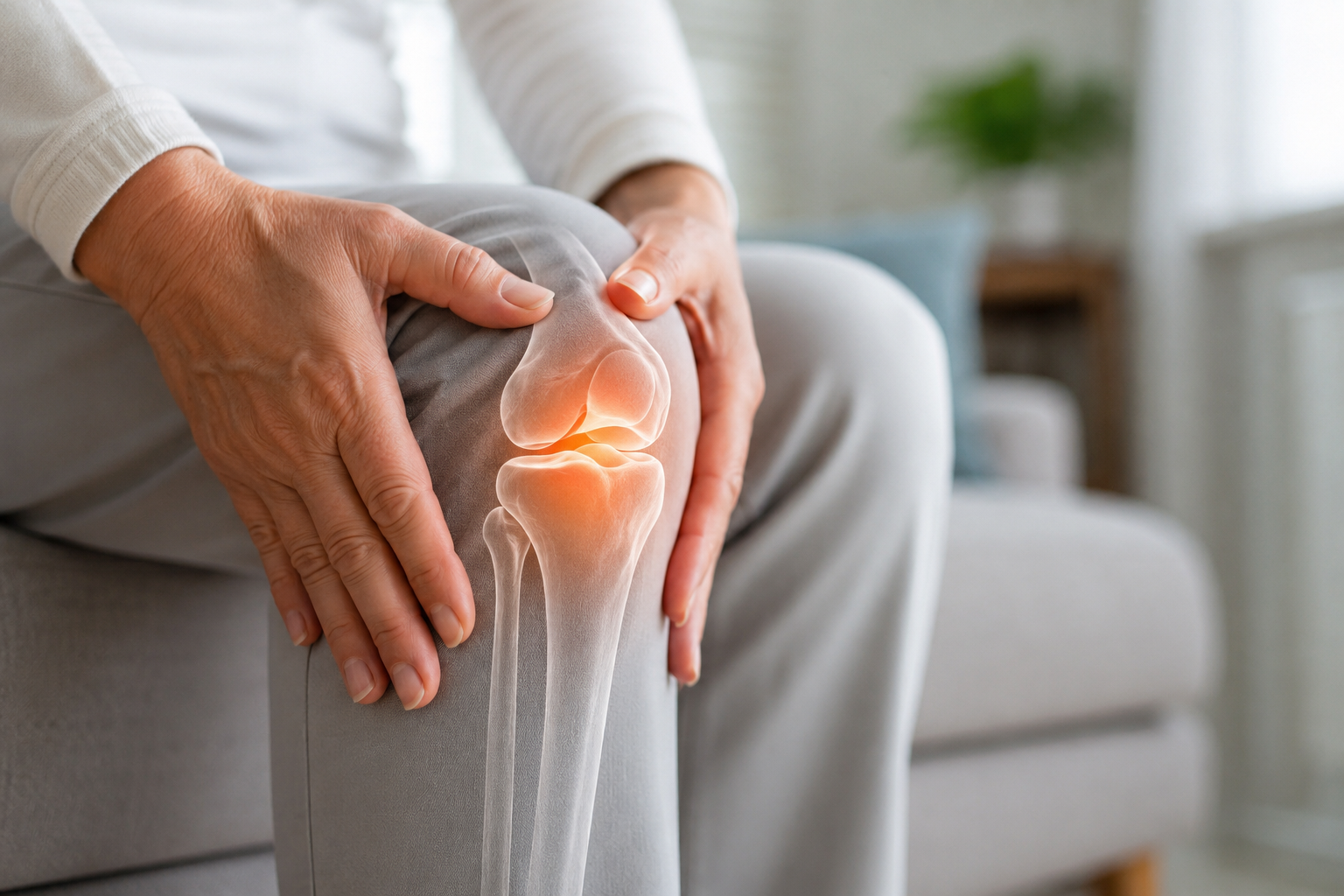
Bones quietly support every movement you make, but they can gradually become weaker without causing obvious discomfort. Many people assume that bone problems only affect older adults, but reduced bone strength can develop much earlier due to lifestyle, nutritional deficiencies, hormonal changes, or underlying medical conditions.
Recognizing weak bones symptoms at an early stage can help prevent fractures, chronic pain, and long term mobility issues. Understanding the warning signs also allows timely diagnosis and treatment before the condition becomes severe.
What Are Weak Bones?
Weak bones refer to bones that have lost their normal strength and density, making them more likely to crack or break even after a minor fall or injury. This often happens because of low bone density, a condition in which bones lose essential minerals such as calcium.
One of the most common causes of weak bones is osteoporosis, a disease that gradually reduces bone mass and weakens the internal structure of bones.
Common Weak Bones Symptoms You Should Never Ignore
Many people do not notice bone weakness until they experience a fracture. However, your body often provides subtle warning signs much earlier.
1. Frequent Bone Fractures
Breaking a bone after a minor slip, bump, or fall can indicate reduced bone strength. Fragility fractures are among the earliest signs of weak bones and should never be ignored.
2. Persistent Back Pain
Ongoing back pain without a significant injury may occur because of tiny spinal fractures caused by weakening bones. This is one of the commonly overlooked bone weakness symptoms.
3. Loss of Height
If you notice that you have become shorter over the years, it could be due to compression fractures in the spine associated with osteoporosis symptoms.
4. Stooped Posture
A rounded upper back or noticeable change in posture may develop when weakened spinal bones collapse over time.
5. Weak Grip Strength
Although grip strength depends on muscles as well, a significant reduction may sometimes indicate declining overall bone and musculoskeletal health.
6. Bone Pain or Tenderness
Pain in the hips, wrists, or spine without a clear injury can sometimes be linked to weakening bones.
7. Difficulty Performing Daily Activities
If climbing stairs, lifting groceries, or standing for long periods becomes increasingly difficult without another obvious cause, weakened bones may contribute to these symptoms.
Understanding Osteoporosis Symptoms
Osteoporosis is often called the silent disease because it usually develops without noticeable symptoms until a fracture occurs.
Some early osteoporosis symptoms include:
- Frequent fractures
- Gradual loss of height
- Chronic back pain
- Curved posture
- Reduced mobility
- Bone pain after minor stress
Because these symptoms can be subtle, regular health checkups become increasingly important, especially for individuals with multiple risk factors.
Who Is More Likely to Develop Low Bone Density?
Certain factors increase the likelihood of developing low bone density.
These include:
- Increasing age
- Family history of osteoporosis
- Calcium and Vitamin D deficiency
- Lack of physical activity
- Smoking
- Excessive alcohol consumption
- Hormonal changes after menopause
- Long term steroid medication use
- Certain chronic medical conditions
Having one or more risk factors does not guarantee osteoporosis, but it does increase the importance of regular screening.
Why Maintaining Good Bone Health Matters
Healthy bones provide more than structural support. They protect vital organs, store minerals, and allow muscles to function efficiently.
Poor bone health can increase the risk of:
- Hip fractures
- Spine fractures
- Wrist fractures
- Reduced independence
- Chronic pain
- Mobility limitations
Early intervention helps preserve bone strength and reduces future complications.
When Should You Get a Bone Density Test?
A bone density test is the most reliable method for evaluating bone strength and identifying osteoporosis before fractures occur.
Your doctor may recommend this test if you:
- Are over 50 years of age
- Have experienced a low impact fracture
- Have a family history of osteoporosis
- Have prolonged steroid use
- Are postmenopausal
- Have medical conditions affecting bone metabolism
The test is painless, non invasive, and provides valuable information about your fracture risk.
How Is Bone Weakness Diagnosed?
Diagnosis typically involves a combination of:
Medical History
Your doctor reviews symptoms, lifestyle habits, medications, and family history.
Physical Examination
Posture, height changes, balance, and joint function are assessed.
Imaging Studies
X rays may identify fractures, while advanced imaging helps evaluate bone integrity.
Bone Density Test
This remains the gold standard for diagnosing osteoporosis and assessing low bone density.
Osteoporosis Treatment Options
Treatment depends on the severity of bone loss, overall health, and fracture risk.
Common osteoporosis treatment approaches include:
Lifestyle Changes
Regular weight bearing exercise strengthens bones and muscles while improving balance.
Balanced Nutrition
Adequate calcium and Vitamin D intake supports healthy bone formation.
Medications
Doctors may prescribe medications that slow bone loss or stimulate new bone formation depending on individual needs.
Fall Prevention
Improving home safety and maintaining muscle strength reduces fracture risk.
Regular Monitoring
Follow up evaluations help monitor treatment effectiveness and adjust management plans as needed.
When Should You Consult an Orthopedic Doctor in Mumbai?
You should seek medical evaluation if you experience:
- Repeated fractures
- Persistent bone or back pain
- Noticeable loss of height
- Difficulty walking
- Family history of osteoporosis
- Risk factors for reduced bone density
An experienced orthopedic doctor in Mumbai can evaluate your symptoms, recommend appropriate investigations, and develop a personalized treatment plan.
Osteoporosis Treatment Mumbai: Why Early Care Makes a Difference
Seeking timely osteoporosis treatment Mumbai can significantly reduce the risk of future fractures and improve overall quality of life.
Early diagnosis allows healthcare professionals to:
- Preserve existing bone strength
- Reduce fracture risk
- Improve mobility
- Minimize long term disability
- Support healthier aging
The earlier treatment begins, the better the chances of maintaining strong and healthy bones.
Tips to Improve Bone Health
Simple daily habits can make a meaningful difference in maintaining healthy bones.
- Eat calcium rich foods regularly.
- Get enough Vitamin D through safe sunlight exposure and diet.
- Perform weight bearing and strength training exercises.
- Avoid smoking.
- Limit excessive alcohol consumption.
- Maintain a healthy body weight.
- Schedule regular health checkups if you have risk factors.
Conclusion
Many people ignore early weak bones symptoms until a fracture changes their daily life. Paying attention to persistent back pain, repeated fractures, posture changes, or gradual loss of height can lead to earlier diagnosis and better outcomes.
Whether you are concerned about bone weakness symptoms, low bone density, or possible osteoporosis symptoms, timely evaluation can help protect your long term bone health. If you are experiencing any warning signs, consulting an experienced orthopedic doctor in Mumbai and discussing the need for a bone density test can be the first step toward effective osteoporosis treatment and stronger bones for the future.