
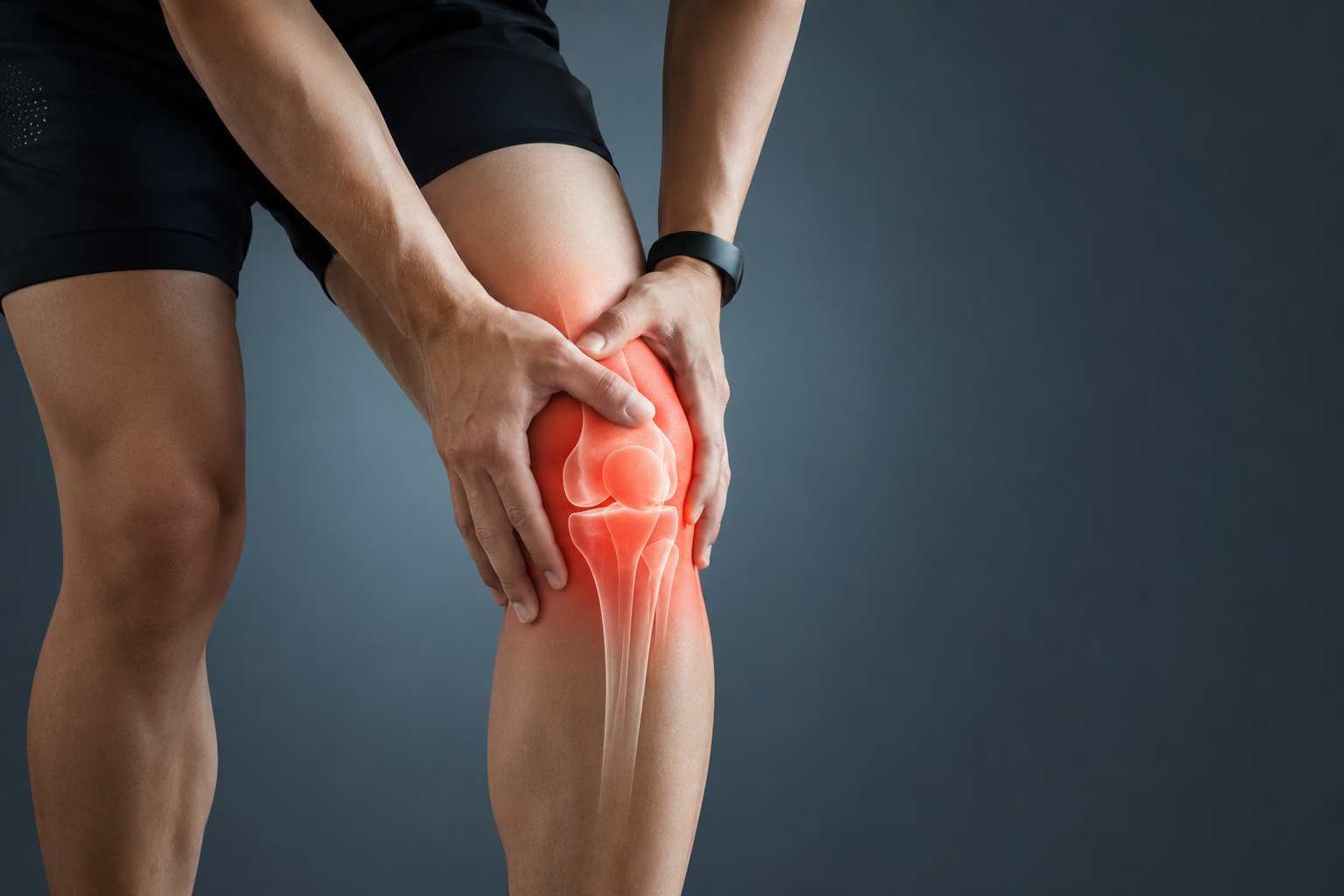
Knee pain is no longer a problem seen only in older adults. Today, many people in their twenties and thirties experience discomfort while walking, climbing stairs, working out, or even sitting for long hours. Whether you are a fitness enthusiast, an office professional, or someone who enjoys weekend sports, knee pain can affect your daily routine and reduce your quality of life.
The good news is that early diagnosis and the right treatment can prevent minor problems from becoming long term injuries. Understanding the causes is the first step toward protecting your joints and staying active.
What Is Knee Pain in Young Adults?
Knee pain in young adults refers to discomfort, stiffness, swelling, or instability in the knee caused by injuries, overuse, muscle imbalance, or underlying joint conditions. Unlike age related arthritis, knee pain in younger people is often linked to lifestyle habits, sports activities, improper exercise techniques, or repetitive strain.
Ignoring persistent pain can increase the risk of chronic joint damage and longer recovery periods.
Common Knee Pain Causes in Young Adults
Several factors can contribute to knee pain. Identifying the exact cause helps determine the most effective treatment.
Sports Injuries
One of the leading knee pain causes is a sports injury. Activities involving sudden changes in direction, jumping, or contact can place excessive stress on the knee.
Common injuries include:
- Ligament sprains
- Meniscus tears
- Tendon injuries
- Cartilage damage
Sports like football, basketball, badminton, cricket, and tennis often increase the risk of knee injuries.
Gym Knee Pain
Experiencing gym knee pain after squats or lunges is more common than many people realize.
Possible reasons include:
- Poor exercise technique
- Lifting excessive weight
- Weak hip or core muscles
- Skipping warm up exercises
- Muscle imbalance
Pain during workouts should never be ignored. Continuing to exercise through pain may worsen the injury.
Runner’s Knee
Runner’s knee, also known as patellofemoral pain syndrome, affects runners but is also common among cyclists, hikers, and people who frequently climb stairs.
Typical symptoms include:
- Pain around the kneecap
- Discomfort after prolonged sitting
- Pain while climbing stairs
- Clicking or grinding sensation
This condition usually develops due to repetitive stress rather than a single injury.
Overuse Injuries
Repeated movements without proper recovery can inflame the tendons and surrounding tissues.
Examples include:
- Frequent running
- High intensity workouts
- Long distance cycling
- Excessive stair climbing
Overuse injuries develop gradually and often worsen when ignored.
Muscle Weakness and Imbalance
Weak quadriceps, hamstrings, glutes, or core muscles reduce knee stability.
When surrounding muscles cannot support the joint properly, excessive pressure falls directly on the knee, increasing pain and injury risk.
Poor Posture and Sedentary Lifestyle
Long hours of sitting, especially with poor posture, can tighten muscles around the hips and knees.
Modern lifestyles involving desk jobs, prolonged screen time, and limited physical activity contribute significantly to knee discomfort in younger adults.
Excess Body Weight
Even a small increase in body weight adds extra pressure on the knees during walking, climbing stairs, and exercising.
Maintaining a healthy weight reduces joint stress and improves overall knee function.
Signs You Should Not Ignore
Occasional soreness after exercise may be normal. However, consult an orthopedic doctor for knee pain if you notice:
- Persistent pain lasting more than a few days
- Swelling around the knee
- Difficulty walking
- Knee locking or catching
- Instability or giving way
- Pain that worsens during activity
- Reduced range of motion
Early treatment often leads to faster recovery and prevents long term complications.
How Knee Pain Is Diagnosed
An orthopedic specialist usually performs:
Medical History
Understanding when the pain started, your activity level, previous injuries, and symptoms.
Physical Examination
Checking:
- Joint movement
- Swelling
- Ligament stability
- Muscle strength
Imaging Tests
Depending on your symptoms, your doctor may recommend:
- X rays
- MRI scan
- Ultrasound
- CT scan
Accurate diagnosis ensures appropriate treatment rather than temporary symptom relief.
Treatment Options for Knee Pain
Treatment depends on the underlying cause rather than the pain itself.
Rest and Activity Modification
Reducing activities that trigger pain allows inflamed tissues to heal.
Physiotherapy
Structured rehabilitation helps:
- Improve flexibility
- Strengthen muscles
- Restore joint stability
- Prevent future injuries
Physiotherapy is one of the most effective treatments for many knee conditions.
Ice Therapy
Applying ice for twenty minutes several times a day helps reduce pain and swelling after activity.
Medication
Doctors may recommend anti inflammatory medication when appropriate.
Medication should always be taken under medical supervision.
Knee Braces
Supportive braces can improve stability during recovery for selected conditions.
Advanced Treatments
Persistent injuries may require:
- Platelet Rich Plasma therapy
- Arthroscopic surgery
- Ligament reconstruction
- Cartilage repair procedures
Most young adults recover well when treatment begins early.
How to Prevent Knee Pain
Simple lifestyle changes can significantly reduce injury risk.
Warm Up Properly
Prepare muscles before exercise with dynamic stretching and mobility drills.
Focus on Exercise Technique
Incorrect squat or lunge form often contributes to gym knee pain.
Learning proper movement patterns protects the knees.
Strengthen Supporting Muscles
Prioritize:
- Quadriceps
- Hamstrings
- Glutes
- Hip muscles
- Core
Balanced strength improves joint stability.
Wear Appropriate Footwear
Proper shoes reduce impact forces during running and sports.
Increase Activity Gradually
Avoid sudden increases in workout intensity or running distance.
Follow the ten percent progression rule whenever possible.
Listen to Your Body
Pain is an early warning signal.
Rest when necessary instead of pushing through discomfort.
Can Knee Pain Become Permanent?
Most cases of knee pain in young adults improve with early diagnosis and appropriate treatment.
However, delaying medical evaluation may lead to:
- Chronic pain
- Recurrent injuries
- Joint instability
- Cartilage damage
- Early arthritis
Prompt attention often prevents these long term complications.
When Should You Visit an Orthopedic Doctor for Knee Pain?
You should schedule an appointment if:
- Pain lasts longer than one week
- Swelling continues despite rest
- You hear a popping sound during injury
- Walking becomes difficult
- Your knee repeatedly gives way
- Sports activities become painful
An experienced orthopedic doctor for knee pain can identify the root cause and recommend the most effective treatment plan based on your lifestyle and activity level.
Frequently Asked Questions
Why do young adults develop knee pain?
The most common causes include sports injury, gym knee pain, muscle imbalance, runner’s knee, overuse injuries, and improper exercise technique.
Can gym workouts damage the knees?
Workouts themselves do not usually damage the knees. Poor form, excessive weight, skipping warm ups, and inadequate recovery are common reasons for knee pain.
Is runner’s knee serious?
Runner’s knee is usually treatable with physiotherapy, activity modification, and strengthening exercises. Early treatment leads to better outcomes.
Should I exercise with knee pain?
Mild soreness may improve with modified activity, but persistent or sharp pain should be evaluated before continuing exercise.
How long does knee pain take to recover?
Recovery varies depending on the cause. Minor overuse injuries may improve within a few weeks, while ligament or cartilage injuries may require several months of rehabilitation.
Final Thoughts
Knee pain should never be considered a normal part of an active lifestyle. Whether it begins after a workout, while running, or during everyday activities, understanding the underlying cause is essential for effective treatment.
Addressing symptoms early, improving movement habits, and seeking professional evaluation when needed can help you return to your daily activities with confidence. If your pain persists, consulting an experienced orthopedic doctor for knee pain is the best step toward protecting your long term joint health.