
Introduction
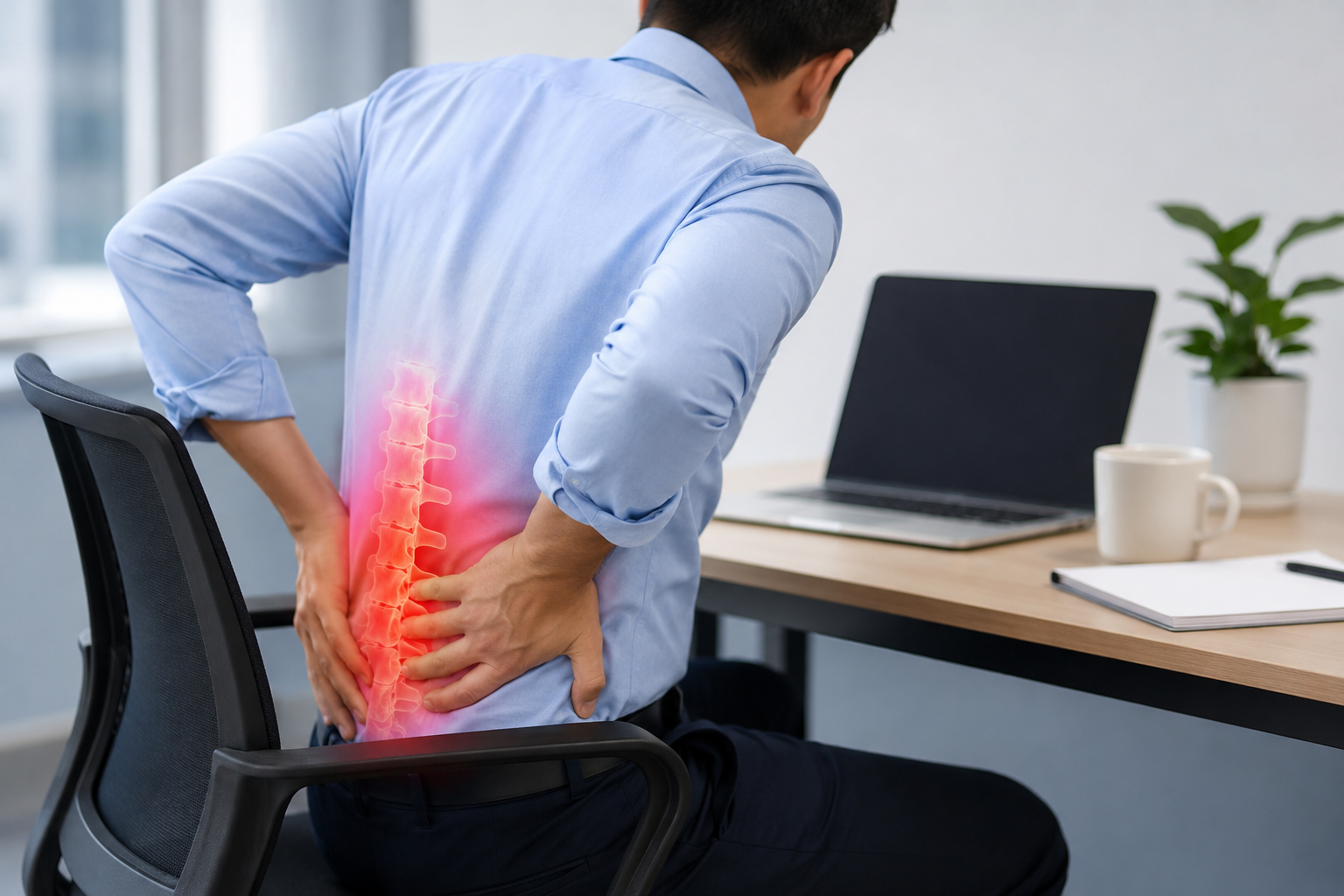
A long day at work should leave you feeling productive, not physically exhausted. Yet for many professionals, persistent discomfort in the lower back has become an everyday reality. Whether you spend hours at a desk, attend back to back meetings, commute long distances, or work remotely from a makeshift home office, your spine often bears the burden of modern work habits.
What begins as occasional stiffness can gradually develop into lower back pain, affecting concentration, mobility, sleep quality, and overall well being. Understanding the underlying causes is the first step toward prevention and effective management.
In this article, we explore the most common lower back pain causes among working professionals and discuss practical strategies for relief and recovery.
Understanding Lower Back Pain
Lower back pain refers to discomfort, stiffness, or aching in the lumbar region of the spine, located between the rib cage and pelvis. The condition can range from mild and temporary to severe and persistent.
For many professionals, back pain develops gradually due to repetitive stress on muscles, ligaments, joints, and spinal structures. Without timely intervention, it may progress into chronic lower back pain, impacting daily activities and work performance.
Why Working Professionals Are More Vulnerable
Today’s work environment often requires long periods of sitting, limited movement, increased screen time, and high stress levels. These factors create the perfect conditions for developing spinal strain and muscular imbalance.
The rise of hybrid and remote work models has also contributed to increasing cases of work from home back pain, particularly among individuals working without proper ergonomic support.
Common Causes of Lower Back Pain in Working Professionals
1. Prolonged Sitting
One of the leading lower back pain causes is prolonged sitting.
When sitting for extended periods, the natural curve of the spine can become compressed. The muscles supporting the lower back remain inactive, while pressure on spinal discs increases significantly.
Many cases of lower back pain due to sitting occur because employees remain seated for several hours without standing, stretching, or changing positions.
Common signs include:
- Stiffness after standing up
- Pain that worsens throughout the day
- Reduced flexibility
- Discomfort during long commutes
2. Poor Posture During Work
Another major contributor to poor posture back pain is incorrect sitting alignment.
Many professionals unknowingly slouch forward, round their shoulders, or lean toward their screens. Over time, these habits place excessive strain on the muscles and ligaments supporting the spine.
Poor posture can lead to:
- Muscle fatigue
- Spinal misalignment
- Neck and shoulder tension
- Persistent lower back discomfort
Even minor postural deviations repeated daily can significantly affect spinal health over the years.
3. Inadequate Home Office Setup
The increase in remote work has resulted in a surge of work from home back pain complaints.
Dining chairs, sofas, beds, and kitchen tables are often used as temporary workstations. Unfortunately, these setups rarely provide adequate lumbar support.
Common ergonomic mistakes include:
- Screens positioned too low
- Unsupported lower back
- Improper chair height
- Working from couches or beds
- Lack of foot support
These factors force the body into unnatural positions, increasing stress on the lower spine.
4. Lack of Physical Activity
Regular movement is essential for maintaining spinal flexibility and muscular strength.
Unfortunately, many office workers spend most of their day sitting and remain inactive even after work. Weak core muscles provide insufficient support to the spine, making it more susceptible to injury and strain.
A sedentary lifestyle often contributes to:
- Reduced spinal stability
- Tight hip flexors
- Weak abdominal muscles
- Increased risk of recurring back pain
5. Repetitive Stress and Poor Movement Patterns
Daily activities such as lifting heavy files, carrying laptops, bending incorrectly, or twisting while seated can gradually strain the lower back.
Although each movement may seem insignificant, repetitive stress accumulates over time and can trigger pain, inflammation, and muscle tension.
Professionals who frequently travel or commute long distances may also experience additional strain due to prolonged sitting and limited mobility.
6. Workplace Stress and Muscle Tension
Stress affects more than mental health. It can also contribute significantly to physical discomfort.
When people experience chronic stress, muscles tend to remain tense for extended periods. This persistent tension often affects the neck, shoulders, and lower back.
Research shows that emotional stress can amplify pain perception, making existing back problems feel more severe.
7. Excess Body Weight
Carrying excess weight places additional pressure on the spine and surrounding muscles.
Over time, increased spinal loading can accelerate wear and tear, contribute to poor posture, and increase the likelihood of developing chronic lower back pain.
Maintaining a healthy weight can significantly reduce stress on the lumbar spine and improve overall mobility.
Signs That Your Back Pain Needs Medical Attention
While occasional soreness may improve with rest and lifestyle changes, some symptoms require professional evaluation.
Consult a healthcare professional if you experience:
- Pain lasting more than a few weeks
- Recurring episodes of back pain
- Pain radiating into the legs
- Numbness or tingling sensations
- Difficulty standing or walking
- Weakness in the lower limbs
- Pain that interferes with sleep
Early diagnosis often leads to better outcomes and prevents long term complications.
Effective Lower Back Pain Treatment Options
The best lower back pain treatment depends on the underlying cause and severity of symptoms.
Lifestyle Modifications
Simple changes can make a significant difference:
- Take movement breaks every 30 to 60 minutes
- Maintain proper sitting posture
- Use ergonomic office furniture
- Stay physically active
- Strengthen core muscles
- Improve workstation ergonomics
Physical Therapy
Targeted exercises and stretching programs help improve flexibility, strengthen supporting muscles, and reduce pain recurrence.
Physical therapy is often recommended for individuals experiencing persistent or recurring symptoms.
Medical Evaluation and Treatment
When conservative measures do not provide relief, consulting an orthopedic doctor in Mumbai can help identify structural issues affecting the spine.
A comprehensive assessment may include physical examination, imaging studies, and personalized treatment recommendations.
Individuals experiencing ongoing discomfort may also benefit from consulting a back pain specialist Mumbai who can evaluate the condition and develop a tailored management plan.
Tips to Prevent Lower Back Pain at Work
Preventing back pain is often easier than treating it.
Consider these practical habits:
Maintain Proper Sitting Position
- Keep feet flat on the floor
- Support the lower back
- Relax the shoulders
- Position the monitor at eye level
Move Frequently
Standing, stretching, and walking for a few minutes every hour helps reduce spinal compression and muscle stiffness.
Strengthen Core Muscles
A strong core provides essential support to the lower back and improves posture.
Create an Ergonomic Workspace
Whether working in an office or at home, investing in proper ergonomic support can significantly reduce the risk of back pain.
TakeAway
The growing prevalence of back pain in office workers highlights the impact of modern work habits on spinal health. Prolonged sitting, poor posture, inadequate workstation setup, stress, and physical inactivity are among the most common lower back pain causes affecting professionals today.
Ignoring symptoms can allow minor discomfort to progress into chronic lower back pain, making treatment more challenging. By adopting healthier workplace habits, staying active, and seeking timely medical guidance when needed, professionals can protect their spine and maintain long term well being.
If persistent symptoms are affecting your quality of life, consulting an experienced orthopedic doctor in Mumbai or a qualified back pain specialist Mumbai can help identify the root cause and guide you toward effective recovery.