
Joint Replacement & Revision Surgery

Advanced joint replacement and revision procedures designed to relieve pain, restore mobility, and improve quality of life.

Joint Replacement & Revision Surgery

Joint replacement surgery is recommended when severe joint damage causes persistent pain, stiffness, or loss of mobility that interferes with everyday life. Revision surgery is required when a previous joint replacement no longer functions properly due to wear, loosening, infection, or implant failure. With modern surgical techniques and improved implant designs, both procedures can deliver long-lasting pain relief and restored joint function.

At our orthopedic center in Mumbai, we provide advanced Joint Replacement and Revision Surgery for hip and pelvis conditions using evidence-based protocols and state-of-the-art technology. Each treatment plan is tailored to the patient’s anatomy, lifestyle, and clinical needs, ensuring precise alignment, faster recovery, and improved quality of life. Our focus is to help patients move with confidence, comfort, and stability for the long term.

"Conditions We Treat"

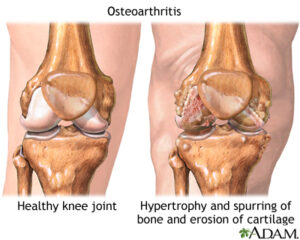
Severe Osteoarthritis

Advanced joint degeneration causing chronic pain and stiffness.
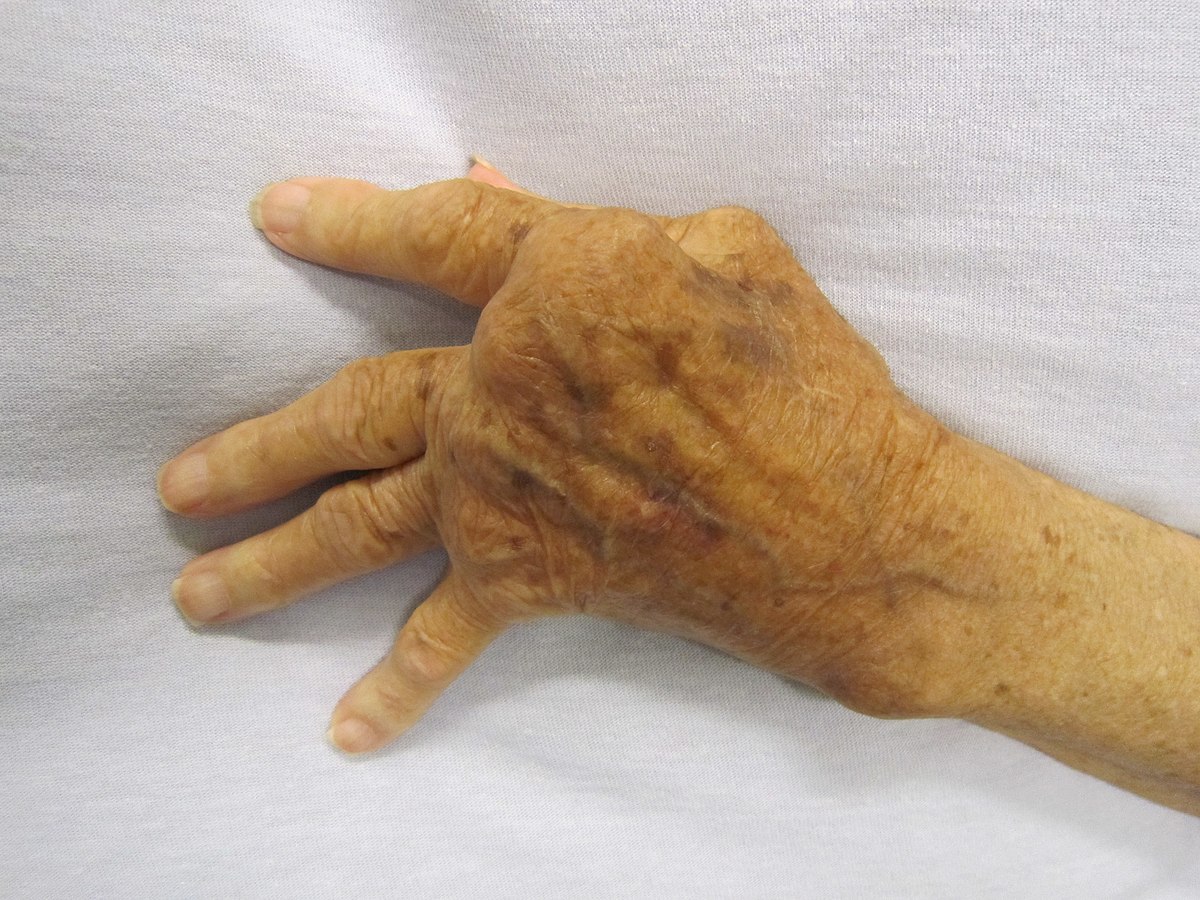
Rheumatoid Arthritis

Inflammatory joint disease leading to progressive damage.

Joint Deformities

Structural abnormalities affecting movement and alignment.
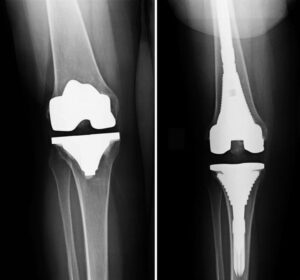
Failed Joint Replacement

Pain or instability after previous joint surgery.
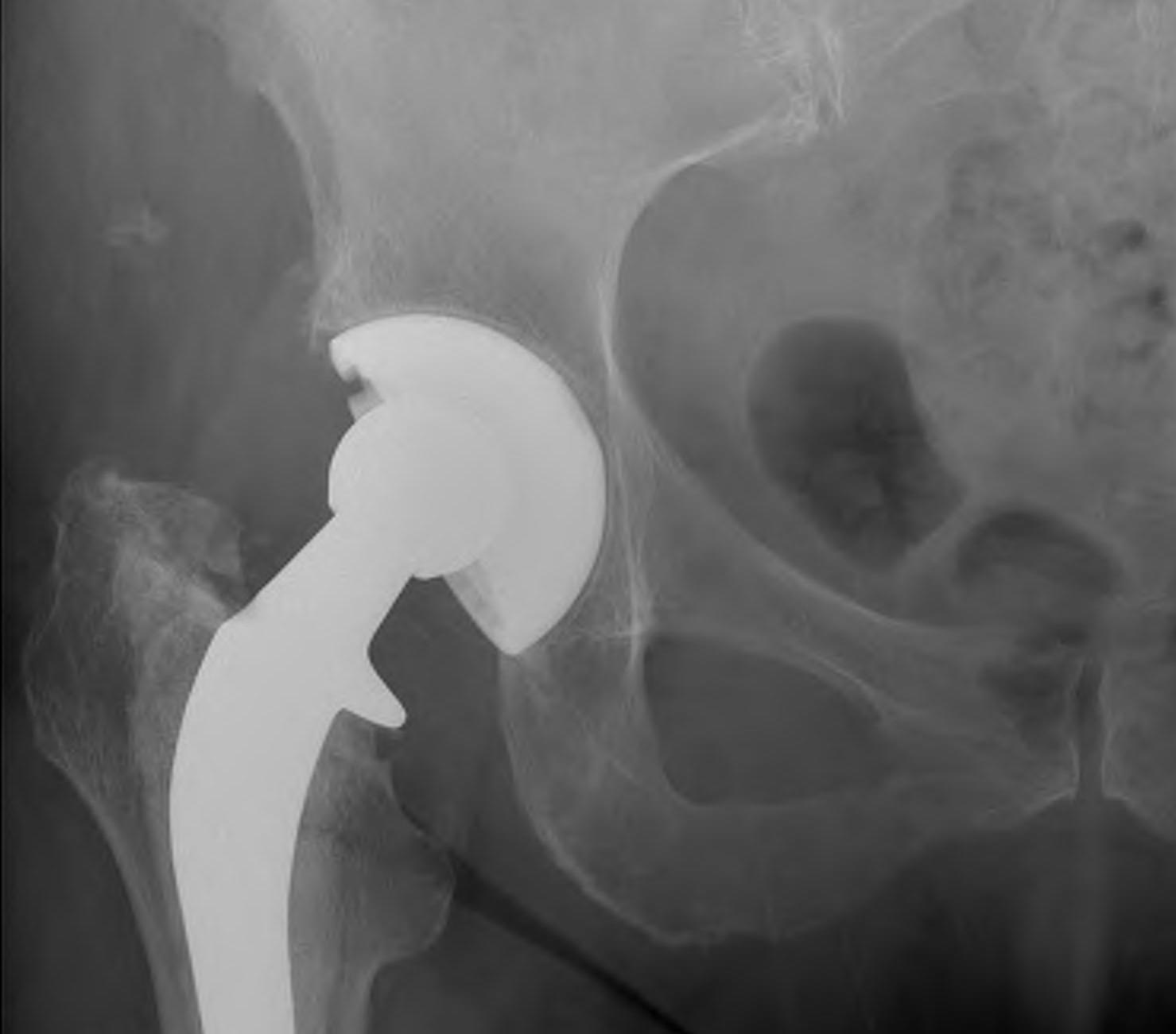
Implant Loosening or Wear

Long-term implant failure requiring revision surgery.
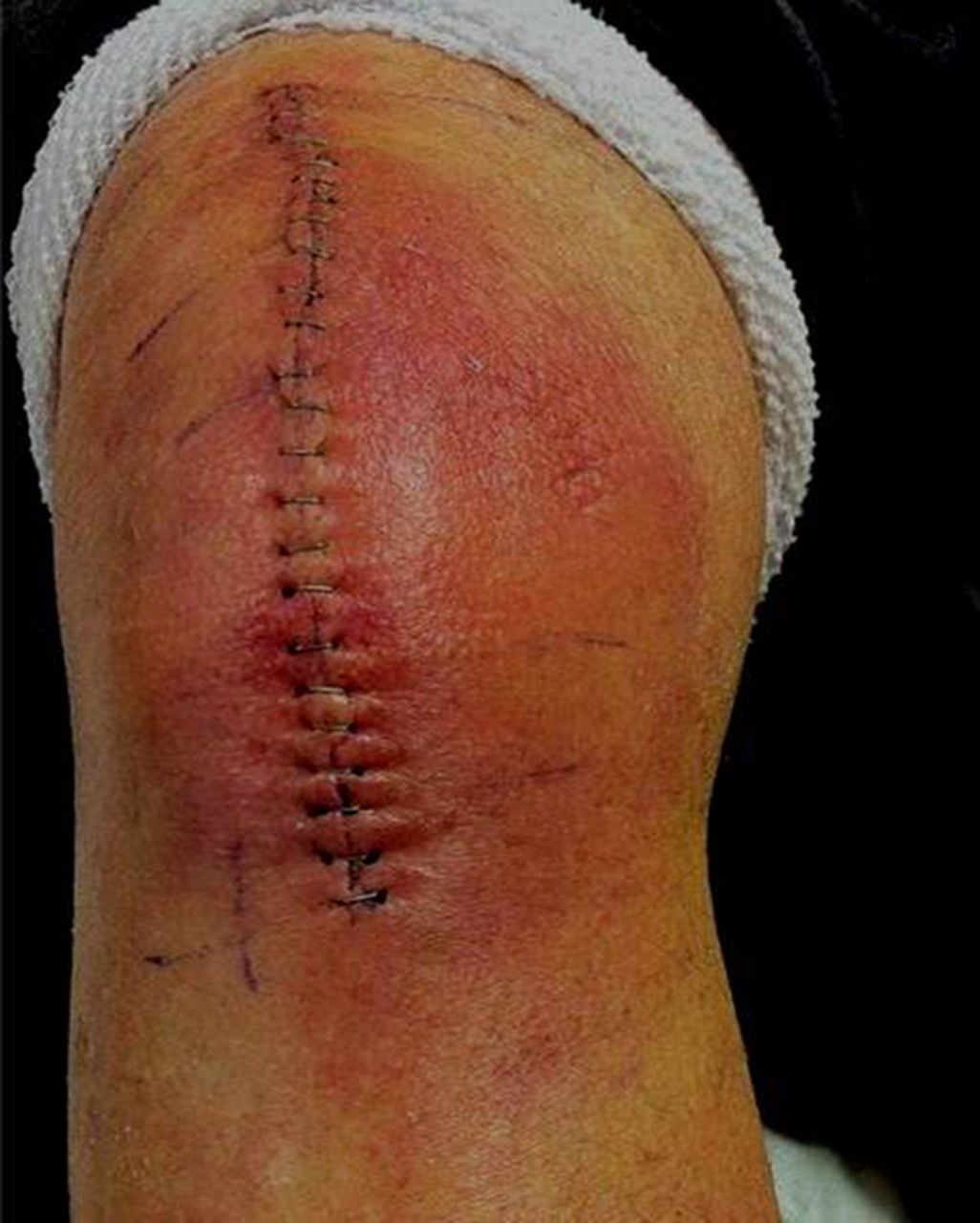
Infection Around Implant

Complications needing corrective surgical intervention.
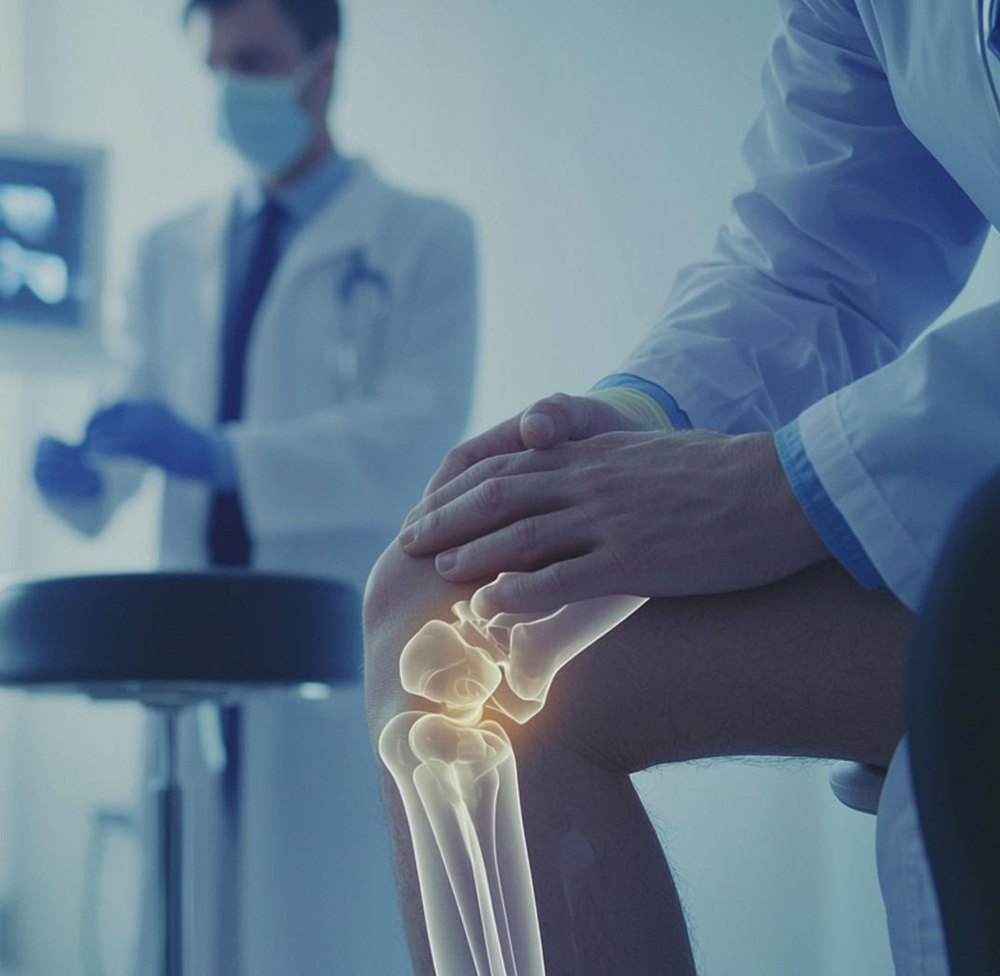
Evaluation & Diagnosis

A thorough evaluation is essential before joint replacement or revision surgery. Our specialist assesses pain severity, joint function, implant condition, and overall health to determine the most appropriate treatment approach.

Common reasons for Joint Revision include:

  • Wear and tear of the implant
    • Loosening of the artificial joint
    • Infection around the previous implant
    • Instability or limited range of motion
    • Accidental injury affecting the replaced joint

Treatment Options for Joint Replacement & Revision

Non-Surgical Treatment

->Pain management
->Physiotherapy
->Lifestyle modification
->Supportive aids

Surgical Treatment

-> Hip replacement
->Knee replacement
->Shoulder replacement
->Advanced implant techniques

Rehabilitation & Recovery

-> Revision joint replacement
->Infection management
->Post-surgery rehabilitation
->Long-term joint care

Why Choose Our Joint Replacement & Revision Surgery?

Accurate diagnosis, advanced treatment options, and personalised care focused on relieving pain and restoring comfortable movement.

Experienced Orthopaedic Specialist

Extensive experience in diagnosing and treating a wide range of elbow conditions with precision and care.

Advanced Diagnosis

Use of modern imaging and clinical evaluation to ensure accurate diagnosis and effective treatment planning.

Personalized Treatment Plans

Each patient receives a customized treatment approach based on their condition, lifestyle, and recovery goals.

Complete Recovery Focus

Emphasis on pain relief, functional restoration, and long-term joint health through proper rehabilitation.

Regain Mobility with Advanced Joint Care

Expert joint replacement and revision surgery focused on pain relief and long-term function. Book your consultation today to take the next step toward an active life.

F.A.Q.

Joint replacement surgery involves removing a damaged joint and replacing it with an artificial implant to relieve pain and restore movement.

Revision surgery is needed when a previous joint implant fails due to wear, loosening, infection, dislocation, or persistent pain.

Commonly treated joints include the hip and knee, but revision procedures may also involve shoulder or other major joints when required.

Yes, revision surgery is usually more complex as it involves removing old implants and managing bone or tissue loss, but advanced techniques ensure good outcomes.

Most patients begin walking within a few days. Full recovery generally takes 6–12 weeks, while revision cases may take slightly longer.

The majority of patients experience significant pain relief and improved mobility, allowing them to return to daily activities comfortably.

Patients with severe joint damage, chronic pain, reduced mobility, or failed previous joint surgery may be suitable after proper orthopedic evaluation.

Modern implants typically last 15–20 years or longer, depending on activity level, body weight, and overall joint care.

Scroll to Top