
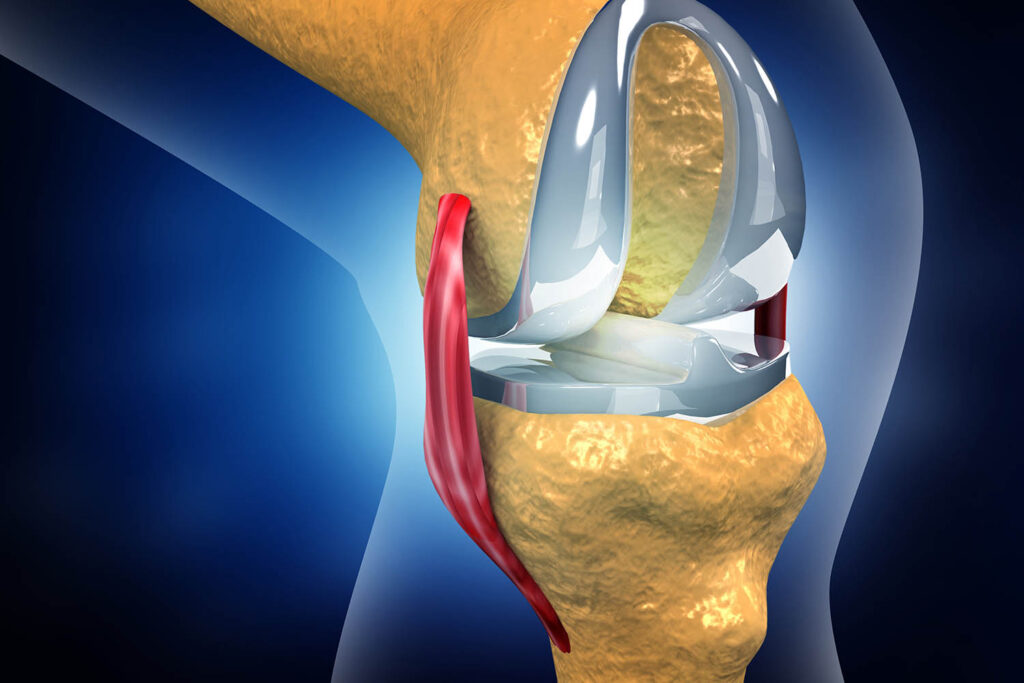
Living with persistent joint degeneration can completely alter how you experience daily life. When climbing a flight of stairs, walking through a local market, or simply bending down to pick something up triggers a sharp, severe ache in your joints, your physical independence takes a serious hit. For many individuals, this chronic discomfort is a direct result of advanced osteoarthritis, where the protective cartilage within the joint has completely worn away. When temporary fixes like pain relievers, knee braces, and lifestyle modifications stop providing relief, surgical intervention often becomes the most reliable path to reclaiming your mobility.
Despite being one of the most common and successful orthopedic procedures performed worldwide, joint reconstruction is still surrounded by a cloud of outdated information and fear. Patients often encounter a mix of medical facts and lingering rumors that can cause unnecessary anxiety, sometimes leading them to delay essential treatment. To help you make an educated, confident decision about your joint health, it is time to look at modern medical science and separate the most widespread knee surgery myths from reality.
Myth 1: You Should Delay Surgery as Long as Humanly Possible
One of the most persistent misunderstandings surrounding joint reconstruction is the idea that you should wait until you are completely wheelchair-bound before considering a surgical upgrade. Many patients believe that because implants have a limited lifespan, enduring the pain for as long as possible is the smartest strategy.
The reality is that waiting too long can significantly complicate your eventual recovery. When you live with severe joint pain for years, you naturally alter how you walk, which places immense strain on your lower back, hips, and opposite leg. Furthermore, a lack of movement causes the surrounding muscles to weaken and become stiff.
Opting for a total knee replacement at the right time—as recommended by your specialist—ensures that your bone structure is still strong and your surrounding muscles are healthy. This timely intervention directly supports a smoother, faster rehabilitation process and allows you to enjoy an active, pain-free life much sooner.
Myth 2: The Recovery Process Takes Months of Intense Pain
Many patients delay exploring arthritis knee surgery because they are terrified of the post-operative rehabilitation phase. There is a common belief that the recovery process requires months of agonizing pain, strict bed rest, and an inability to perform basic daily activities independently.
Modern orthopedic medicine has completely transformed the post-surgery timeline. Thanks to advanced, multi-modal pain management protocols, patients experience significantly less discomfort immediately after their procedure.
In fact, the modern knee replacement recovery routine begins almost immediately. Most patients are safely assisted to stand and take their first steps with a walker just hours after waking up from anesthesia. Early mobilization is vital because it stimulates healthy blood flow, prevents joint stiffness, and encourages your body to heal naturally. Within a few weeks of structured physical therapy, the vast majority of patients are walking comfortably, driving, and returning to their favorite low-impact hobbies.
Myth 3: Robotic Surgery is Experiential and Fully Automated
With the recent rise of advanced medical technology in major cities, robotic knee replacement has become a highly discussed topic. However, this advancement has given rise to a new myth: some patients believe that a robot autonomously performs the entire operation without human intervention, which makes them nervous about the safety of the procedure.
The truth is that the robotic system is a highly advanced precision tool completely controlled by the medical professional. Before the first incision is made, the technology uses a 3D digital scan of your leg to create a perfect, customized map of your joint anatomy.
During the procedure, the robotic arm guides the specialist with sub-millimeter precision, ensuring that only the damaged bone is removed while protecting your healthy surrounding ligaments and soft tissues. This incredible accuracy allows for an exceptionally personalized fit, which directly contributes to a remarkably high knee replacement success rate and a joint that feels entirely natural when moving.
Myth 4: Traveling Abroad is Essential for High-Quality Joint Care
A major concern for many families when planning advanced medical care is balancing the financial investment with clinical safety. Some patients assume that the most advanced technology, premium implants, and highly skilled care are only available internationally, leading to immense stress over travel and logistics.
The reality is that world-class orthopedic care is available right in your neighborhood. When looking into the actual knee replacement cost Mumbai clinics offer, you will find that local healthcare centers provide access to top-tier international implants, cutting-edge robotic navigation systems, and advanced rehabilitation facilities at a fraction of the price of traveling abroad. Choosing a local, state-of-the-art medical center allows you to undergo your treatment close to home, surrounded by your family and support system, which is an invaluable asset for your emotional well-being and early healing.
Taking the First Step Toward a Pain-Free Future
Navigating your joint health journey means filtering out the myths and relying entirely on verified medical facts. Delaying an essential knee replacement surgery out of fear only prolongs your discomfort and limits your precious life experiences. Reclaiming your active, vibrant lifestyle is completely achievable when you have the right information and a dedicated care team by your side.
Do not let outdated misconceptions keep you from enjoying smooth, stable, and pain-free movement. Schedule a detailed, personalized consultation with the best knee replacement surgeon Mumbai has to offer to evaluate your joint health, discuss your personal mobility goals, and discover a treatment plan tailored specifically to your lifestyle. Your journey toward lasting joint health, renewed energy, and complete physical freedom begins with a single, confident step today.
Actionable Tips for a Safe and Successful Recovery
To maximize the long-term success of your joint replacement and ensure your transition back to daily activities is as smooth as possible, follow these practical steps:
- Commit Fully to Your Physical Therapy: Treat your post-surgery exercise sessions as a top priority, as consistent, guided movement is the single most important factor in rebuilding your strength and flexibility.
- Modify Your Home for Early Safety: Before your surgery date, clear away loose rugs, secure electrical cords, ensure all stairways are well-lit, and place everyday items at waist level to prevent bending or straining.
- Manage Your Swelling Effectively: Keep your leg elevated above your heart level and apply cold packs for fifteen to twenty minutes at a time as directed by your care team to reduce natural post-operative swelling.
- Maintain an Open Line of Communication: Never hesitate to reach out to your surgical team if you have questions about your medications, incision care, or specific physical therapy milestones during your recovery.