
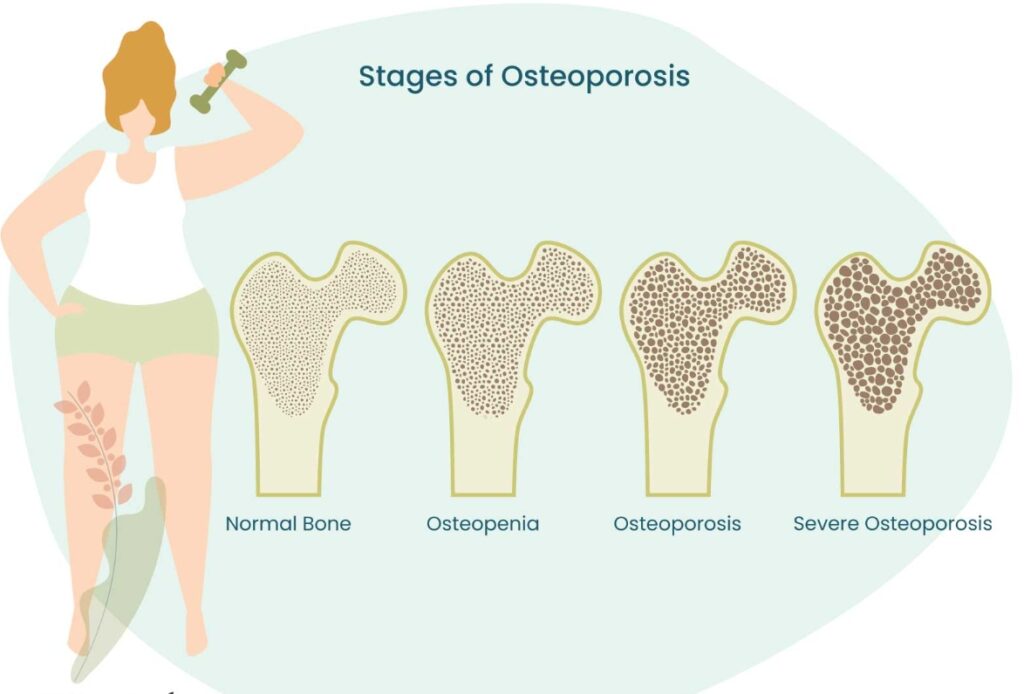
When discussing women’s health, a significant amount of attention is naturally dedicated to metabolic fitness, cardiovascular health, and hormonal changes. However, there is a silent, progressive skeletal condition that quietly impacts millions of women worldwide, often remaining completely undetected until it reaches an advanced stage. This condition involves the gradual weakening of the internal skeletal architecture, causing bones to become fragile, porous, and highly susceptible to sudden structural fractures.
Because structural bone loss occurs silently without any upfront pain, swelling, or obvious warning signs, the condition is frequently referred to as a hidden epidemic. For women navigating middle age and beyond, prioritizing skeletal structural integrity is a vital component of long-term wellness. Recognizing the subtle changes in your body and understanding the risk factors associated with osteoporosis in women is the first step toward protecting your mobility, maintaining your physical independence, and ensuring a vibrant lifestyle.
1. The Silent Evolution of Weak Bones
In the early stages of bone thinning, there are virtually no outward physical indicators to warn you that your skeletal strength is declining. Unlike many other chronic conditions that cause noticeable discomfort or functional changes, structural bone loss does not typically cause achy joints or muscle pain in its initial phases.
As a result, many women live for years with a hidden vulnerability, completely unaware of the structural changes happening inside their bodies until a minor trip, a sudden twist, or even a strong cough results in a painful bone fracture. This lack of early warning signs is why understanding the progression of weak bones symptoms is so critical for timely medical intervention.
As the structural scaffolding within the bone thins out, the skeletal system loses its ability to absorb everyday physical impacts. When the condition becomes advanced, some women may begin to experience a localized, deep ache in their lower back or mid-spine. This discomfort often indicates that the vertebrae are struggling to support the body’s natural weight, signaling a critical need for a comprehensive skeletal evaluation.
2. Hormonal Shifts and Accelerated Bone Density Loss
To understand why women are disproportionately affected by this skeletal vulnerability, it is essential to examine the biological connection between bone remodeling and hormonal health. Throughout your youth, your body continuously breaks down old bone tissue and replaces it with fresh, mineral-rich bone. This dynamic balancing act keeps your skeleton strong, resilient, and durable.
However, estrogen plays an irreplaceable protective role in this process by regulating the cells responsible for breaking down bone tissue. When a woman undergoes the natural transition into menopause, her body experiences a sharp, permanent decline in estrogen production.
This hormonal drop disrupts the delicate balancing act of bone remodeling, causing bone breakdown to speed up while the production of fresh bone slows down. This imbalance leads to accelerated bone density loss during the first five to ten years following menopause. This rapid decline is the primary driver of postmenopausal osteoporosis, making it vital for women to monitor their bone health proactively as they navigate this mid-life transition.
3. Subtle Physical Red Flags You Should Never Ignore
While the condition does not present a single, dramatic warning sign, there are distinct structural changes that can indicate your bones are losing their strength. Paying close attention to these subtle physical adjustments can help you spot skeletal issues early:
- A Gradual Loss of Height: If you notice that your clothes fit differently or that you have lost an inch or more of your original height, it may not be a simple sign of aging. This change often happens when weakened vertebrae experience micro-fractures, causing them to compress and flatten over time.
- The Development of a Stooped Posture: When multiple compression fractures occur along the front of the spine, the vertebrae tilt forward. This creates a noticeable curve in the upper back, often referred to as a “dowager’s hump,” which can restrict lung capacity and cause chronic back pain.
- A Weakened Handgrip Strength: Extensive clinical research shows a strong link between a woman’s handgrip strength and her overall structural bone density. If you find it increasingly difficult to open jars, turn heavy doorknobs, or lift everyday household objects, it may point to a decline in overall physical and skeletal strength.
- Fractures from Minor Impacts: The most definitive sign of compromised bone health is a fragility fracture. Breaking a bone—particularly in the wrist, hip, or spine—from a simple fall from standing height indicates that the skeletal architecture has become significantly fragile.
4. Addressing Nutritional Gaps and Calcium Deficiency Symptoms
Building and maintaining a strong skeleton requires a steady supply of essential raw materials, with calcium and vitamin D serving as the fundamental pillars of bone health. When your daily diet lacks sufficient calcium, your body is forced to draw this vital mineral directly from your bones to keep your heart, nerves, and muscles functioning correctly. Over time, this constant borrowing depletes your skeletal reserves, weakening your bone structure from the inside out.
Living with an ongoing nutritional deficit can lead to subtle calcium deficiency symptoms, such as frequent muscle cramps, brittle fingernails, tooth decay, and a persistent feeling of numbness or tingling in your fingertips. Protecting long-term bone health for women requires a proactive approach that combines a nutrient-dense diet with regular, weight-bearing exercises like brisk walking or strength training. Ensuring your body receives adequate minerals and vitamin D helps lock calcium into your skeletal framework, keeping your bones dense, strong, and resilient.
Partnering with Specialists for Lasting Mobility
Discovering that your bone density is low can feel overwhelming, but it is important to remember that bone thinning is a highly manageable and treatable condition. Modern medicine offers highly effective, science-backed osteoporosis treatment options designed to slow down bone loss, stimulate fresh bone production, and significantly lower your future fracture risks. Taking control of your skeletal health today is a powerful investment in your long-term mobility and independence.
You do not have to navigate your bone health journey alone. If you are experiencing any of the subtle signs of bone thinning or are entering menopause, schedule a comprehensive bone density scan (DEXA) and consult with a board-certified osteoporosis specialist Mumbai to evaluate your skeletal health. A qualified expert can assess your specific risk factors, analyze your diagnostic reports, and design a customized wellness plan tailored to your lifestyle. Reclaiming your strength, protecting your joints, and living an active, pain-free life is entirely achievable with the right guidance.
Actionable Steps to Protect Your Bones Daily
To build a strong foundation for your skeletal health and lower your risk of fractures, integrate these practical, everyday health habits into your regular routine:
- Boost Your Daily Calcium Intake: Focus on incorporating calcium-rich foods into your meals, such as low-fat dairy products, fortified plant-based milks, almonds, tofu, and leafy green vegetables like broccoli and kale.
- Monitor Your Vitamin D Levels: Since your body needs vitamin D to absorb calcium effectively, aim for safe, brief sun exposure daily, and speak with your doctor about high-quality supplements if your levels are low.
- Incorporate Weight-Bearing Exercise: Engage in at least thirty minutes of low-impact, weight-bearing activities most days of the week, as exercises like brisk walking, dancing, and light resistance training naturally encourage bones to grow denser.
- Create a Safe, Hazard-Free Home: Reduce your risk of accidental trips and falls by keeping walkways clear of clutter, securing loose rugs, ensuring all rooms are well-lit, and installing non-slip mats in your bathroom.