
Hip replacement surgery can help people return to everyday activities after years of pain, stiffness, and difficulty moving. However, surgery is only one part of the process. Recovery plays an equally important role in helping you regain movement, strength, confidence, and independence.
Patients often want to know when they can walk normally, drive again, return to work, or resume their usual activities. The answer is different for everyone because recovery depends on factors such as overall health, the type of surgery, muscle strength, age, physical activity, and how closely rehabilitation instructions are followed.
If you are planning hip replacement recovery Mumbai, understanding what recovery may look like can help you prepare for the weeks ahead. Your orthopedic specialist and physiotherapist will provide guidance based on your individual condition and progress.
What Happens After Hip Replacement Surgery?
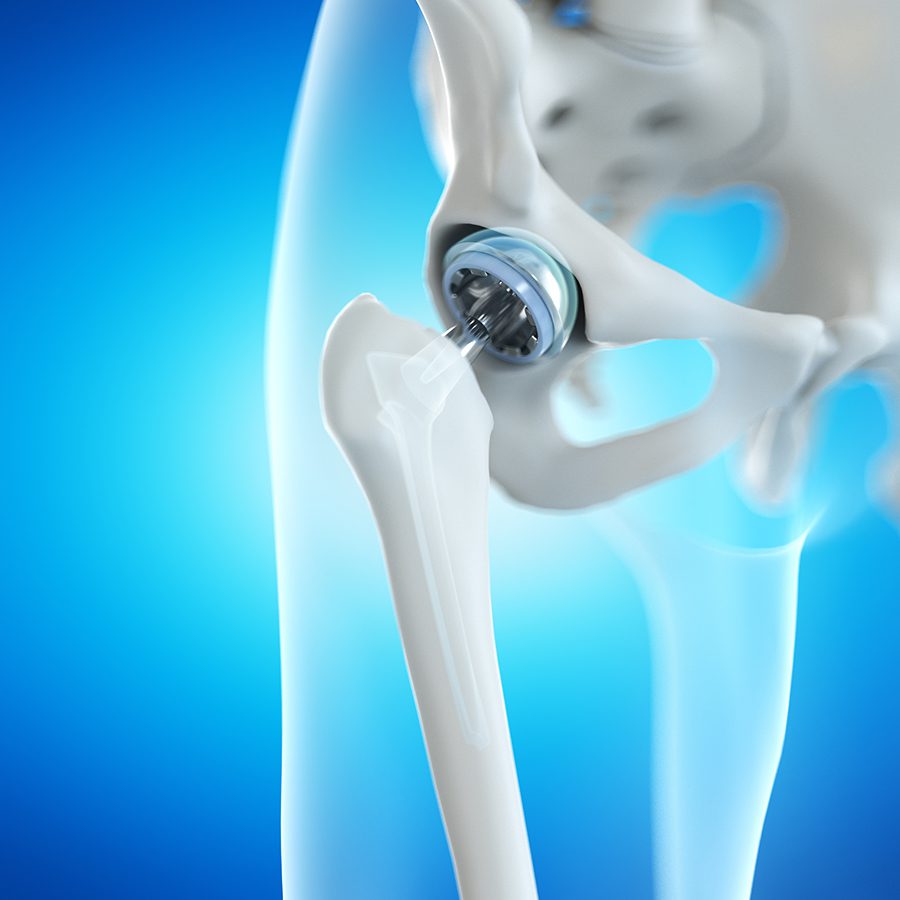
Hip replacement involves replacing damaged parts of the hip joint with artificial components. The procedure is commonly recommended when hip pain and stiffness significantly affect daily life and other treatments have not provided sufficient relief.
After surgery, the initial focus is usually on controlling discomfort, protecting the new joint, and beginning gentle movement. Patients are often encouraged to start moving with assistance relatively soon after surgery, depending on their individual condition and the surgical team’s advice.
Recovery is not simply about waiting for the hip to heal. It involves gradually rebuilding strength and mobility through appropriate exercises and everyday movement.
Your recovery plan may include:
• Pain management as advised by your doctor
• Walking with an appropriate support
• Physiotherapy exercises
• Gradually increasing daily activities
• Follow up appointments
• Learning safe ways to sit, stand, walk, and use stairs
Following the instructions provided by your healthcare team is important because every patient’s recovery is different.
How Long Does Hip Replacement Recovery Take?
One of the most common questions patients ask is, how long does hip replacement recovery take?
There is no single recovery timeline that applies to everyone. Many patients gradually become more independent during the first several weeks, while complete recovery can take several months. Factors such as age, physical fitness, muscle strength, the condition of the other hip and knee, and the type of work you do can influence how quickly you return to normal activities.
The recovery process can generally be thought of in stages.
The First Few Days
The first few days after surgery focus on safe movement, pain management, and preventing complications. Your medical team may encourage you to stand and walk with assistance when it is considered safe.
A walker, crutches, or another walking aid may be recommended during the early stage.
Physiotherapy may begin around this time. The exercises are designed to encourage movement and gradually activate the muscles around the hip.
The First Few Weeks
During the first few weeks at home, walking usually becomes easier with practice. You may still experience some discomfort, stiffness, swelling, or tiredness.
Your physiotherapist may gradually introduce exercises to improve:
• Hip movement
• Leg strength
• Balance
• Walking ability
• Overall mobility
It is important not to rush this stage. Feeling better does not necessarily mean the joint has completely recovered.
The Following Months
As strength and confidence improve, many patients gradually return to more everyday activities. Your doctor and physiotherapist can advise you when it is appropriate to increase activity levels.
Some people progress quickly, while others need more time. Consistency with rehabilitation is often more useful than trying to accelerate the process.
Walking After Hip Replacement
Walking is an important part of recovery after hip replacement. Your medical team may encourage you to begin walking with assistance soon after surgery, depending on your health and surgical plan.
Initially, you may need a walker or crutches. As your balance and strength improve, you may gradually move to less support.
During the early stages:
• Take short walks regularly as advised
• Use your walking aid correctly
• Avoid pushing yourself when you are excessively tired
• Follow your physiotherapy plan
• Increase walking distance gradually
• Pay attention to changes in pain or swelling
As recovery progresses, your walking pattern should gradually become more natural. However, it can take time for muscles that have been weakened before or after surgery to regain strength.
If you notice significant or increasing pain, sudden swelling, unusual redness, fever, or other concerning symptoms, contact your medical team promptly.
When Can You Walk Without Support?
There is no fixed date when every patient should stop using a walker or crutches. Some patients may transition away from walking aids relatively quickly, while others may need them for longer.
The decision should be based on your stability, strength, walking pattern, and doctor’s recommendations.
Stopping a walking aid too early can make walking less stable and may increase the risk of a fall. It is generally better to move away from support when your healthcare professional believes you can walk safely without it.
Driving After Hip Replacement
Driving is another major milestone because it represents a return to independence.
However, you should not return to driving simply because you feel comfortable sitting in a car. You need to be able to control the vehicle safely and respond quickly in an emergency.
Your doctor can advise you when driving is appropriate based on your recovery.
Before returning to driving, you should be able to:
• Get in and out of the vehicle safely
• Sit comfortably
• Operate the pedals effectively
• Turn and look around without significant difficulty
• Perform an emergency stop safely
• Avoid medications that may impair your ability to drive
The type of surgery, side of the hip replaced, vehicle configuration, pain levels, and individual recovery can all influence when driving becomes appropriate.
It is also important to check any relevant insurance or local driving requirements before returning to the road.
Returning to Work After Hip Replacement
When you can return to work depends largely on what your job involves.
Someone with a desk based job may be able to return sooner than someone whose work requires prolonged standing, walking, lifting, climbing, or other physically demanding activities.
For office based work, returning may be possible once you can sit comfortably, move around safely, and manage your daily routine. Some patients may initially benefit from shorter working hours or additional breaks.
Physically demanding jobs may require a longer recovery period. Your orthopedic specialist can assess your progress and advise when it is safe to resume specific work activities.
Before returning to work, consider:
• How long you need to sit or stand
• Whether you need to climb stairs
• Whether your job requires lifting
• How much walking your role involves
• Whether you can take regular breaks
• Whether temporary adjustments can be made
Discussing these requirements with your doctor can help you plan a safer return.
The Role of Physiotherapy in Recovery
Physiotherapy can be an important part of hip replacement recovery. Exercises are usually introduced gradually and adjusted according to your progress.
The aim is not simply to make the hip move. Rehabilitation can also help improve the strength of the muscles supporting the hip and improve balance and confidence while walking.
Your physiotherapist may recommend exercises involving:
• Gentle range of motion
• Strengthening exercises
• Walking practice
• Balance exercises
• Functional movements
Performing exercises correctly is important. Doing too much too soon can cause unnecessary discomfort, while avoiding movement completely may slow your progress.
Always follow the specific exercise plan provided by your healthcare team.
Everyday Activities During Recovery
Returning to normal life involves much more than walking and driving. You may also need to gradually resume activities such as shopping, climbing stairs, household tasks, and social activities.
At home, it can be useful to organize frequently used items so that they are easy to reach. Keeping pathways clear can also reduce the risk of trips and falls.
You may need temporary assistance with certain tasks during the early stages of recovery. Accepting help can allow you to focus on healing rather than trying to manage everything immediately.
Things to Avoid During Early Recovery
Your orthopedic team will provide specific precautions based on your surgery and individual circumstances.
Generally, patients should avoid activities that place excessive stress on the healing joint or increase the risk of falling until their doctor gives permission.
Avoid making major changes to your activity level simply because you are experiencing less pain. Recovery continues even after you begin feeling more comfortable.
It is also important to attend scheduled follow up appointments so your doctor can monitor your progress.
When Should You Contact Your Doctor?
Some discomfort and swelling can occur during recovery, but certain symptoms require prompt medical attention.
Contact your healthcare provider if you experience symptoms such as:
• Severe or increasing pain
• Significant swelling
• Fever
• Increasing redness around the surgical area
• Unusual discharge from the wound
• Sudden difficulty moving the leg
• Calf pain or swelling
• Breathing difficulty or chest pain
These symptoms should not be ignored. Your healthcare team can determine whether further evaluation is needed.
How Ortho Care Can Support Your Recovery
A successful hip replacement journey involves careful preparation, surgery, rehabilitation, and follow up care. Understanding the recovery process can help you set realistic expectations and plan your return to everyday activities.
If you are researching hip replacement recovery Mumbai, Ortho Care can help you understand the different stages of recovery and the importance of personalized orthopedic care. From walking and physiotherapy to returning to work and everyday activities, your recovery plan should be based on your individual condition and progress.
Remember that there is no universal answer to how long does hip replacement recovery take. Recovery timelines vary from person to person, and your orthopedic specialist is the right person to guide you through each stage.
Frequently Asked Questions
How long does hip replacement recovery take?
Recovery varies between individuals. Many patients gradually regain independence during the first several weeks, while full recovery may take several months. Your age, general health, muscle strength, surgical approach, and rehabilitation can all affect your recovery timeline.
When can I start walking after hip replacement?
Many patients are encouraged to begin walking with assistance relatively soon after surgery, depending on their condition and doctor’s instructions. A walker or crutches may be used initially.
When can I drive after hip replacement?
The timing varies from patient to patient. You should be able to control the vehicle safely, operate the pedals, respond quickly, and get in and out of the vehicle comfortably before returning to driving. Always follow your doctor’s advice.
When can I return to work after hip replacement?
The answer depends on your job. People with desk based work may return sooner, while physically demanding jobs may require a longer recovery period. Your doctor can advise you based on your progress and work requirements.
Is physiotherapy necessary after hip replacement?
Physiotherapy is commonly used to help patients regain strength, movement, balance, and walking ability. Your physiotherapist can create an exercise plan suited to your recovery.
Can I climb stairs after hip replacement?
Many patients can gradually return to using stairs, but the timing and technique depend on their recovery and surgical instructions. Your physiotherapist can teach you how to use stairs safely.
Take the Next Step Toward Better Mobility
Hip replacement can be an important step toward improving mobility and reducing problems caused by a damaged hip joint. Recovery requires patience, appropriate exercise, regular follow up, and careful progression.
If you are considering hip replacement or want to understand hip replacement recovery Mumbai, consult the orthopedic specialists at Ortho Care to discuss your condition and recovery expectations. With the right guidance, you can work toward returning to walking, driving, work, and your everyday routine safely and confidently.