
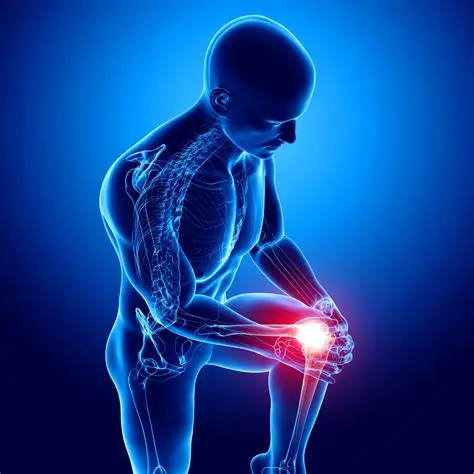
Walking is one of the simplest and most natural movements we perform every day. From going to work and climbing stairs to shopping and exercising, healthy knees are essential for maintaining mobility and independence. However, experiencing pain while walking can make even simple daily activities uncomfortable.
If you have ever wondered why my knee hurts while walking, the answer can depend on several factors. Knee pain may result from an injury, overuse, muscle weakness, age related changes or an underlying joint condition. Understanding the possible cause is the first step towards finding appropriate treatment.
At Ortho Care, understanding the source of knee discomfort is an important part of providing the right care. This blog explains common causes of knee pain while walking, available treatment options and signs that indicate it may be time to consult a doctor.
Why Does Knee Pain Occur While Walking?
The knee is a complex joint that connects the thigh bone to the shin bone. It also contains cartilage, ligaments, tendons and muscles that work together to support movement and body weight.
Walking places repeated stress on the knee. Normally, the joint can handle this pressure without discomfort. However, inflammation, injury or structural changes can interfere with normal movement and cause pain.
The location and nature of the pain can provide useful clues. Some people experience pain around the kneecap, while others feel discomfort on the inner or outer side of the knee. Pain may occur when taking the first few steps, after walking for a long time or while going up and down stairs.
Common Causes of Knee Pain While Walking
Osteoarthritis
Osteoarthritis is one of the common causes of knee pain, particularly among older adults. It develops when the protective cartilage within the joint gradually becomes thinner.
As the cartilage wears down, the bones may experience increased friction during movement. This can result in pain, stiffness and reduced mobility.
People with knee osteoarthritis may notice discomfort after walking for extended periods or standing for a long time. Morning stiffness and difficulty climbing stairs can also occur.
Knee Injury
An injury can cause sudden or persistent knee pain. Sports activities, falls, accidents or sudden twisting movements may affect the ligaments, tendons, cartilage or other structures around the joint.
Injuries can include ligament damage, meniscus injuries and strains. Depending on the severity, symptoms may include swelling, tenderness, instability or difficulty putting weight on the affected leg.
Patellofemoral Pain
Pain around or behind the kneecap is commonly associated with patellofemoral pain. It may develop because of muscle imbalance, overuse, changes in activity or improper movement patterns.
The discomfort may become more noticeable while walking, climbing stairs, squatting or sitting for long periods.
Muscle Weakness
The muscles surrounding the knee play an important role in supporting and stabilising the joint. Weakness in the thighs, hips or surrounding muscles can place additional stress on the knee.
This may lead to discomfort during activities that require repeated movement or weight bearing.
Tendon Problems
Tendons connect muscles to bones and help the knee move properly. Repetitive activities, sports and sudden increases in physical activity can sometimes cause tendon irritation.
Pain related to tendon problems may become more noticeable during movement and may improve with rest.
Bursitis
Small fluid filled sacs called bursae help reduce friction between tissues around the knee. Inflammation of these structures can cause pain and swelling.
Bursitis may develop because of repeated pressure, prolonged kneeling or overuse.
Previous Surgery or Injury
People who have previously experienced a knee injury or undergone knee surgery may sometimes develop ongoing discomfort. Changes in joint mechanics or muscle strength can affect the way weight is distributed while walking.
Regular evaluation can help identify the reason for persistent symptoms.
What Does Knee Pain While Walking Feel Like?
Knee pain can vary significantly from person to person. Some people experience a dull ache, while others may describe the sensation as sharp, burning or throbbing.
You may notice pain only after walking a certain distance. In other cases, discomfort may appear as soon as you start moving.
Some common symptoms that can accompany knee pain include:
• Swelling around the knee
• Stiffness after sitting or resting
• Difficulty bending or straightening the knee
• Clicking or grinding sensations
• Weakness or instability
• Difficulty climbing stairs
• Pain after prolonged walking
The combination of symptoms can help a doctor understand what may be causing the problem.
When Should You See a Doctor?
Not every episode of knee pain requires immediate medical attention. Mild discomfort caused by temporary overuse may improve with rest and appropriate care.
However, persistent or worsening pain should not be ignored.
You should consider consulting a knee pain doctor in Mumbai if your pain continues for several days, repeatedly returns or begins affecting your normal activities.
Medical evaluation is particularly important if you experience significant swelling, difficulty putting weight on the leg, visible deformity, severe pain after an injury or a sensation that the knee is giving way.
Sudden severe pain following an accident or injury may require prompt medical assessment.
How Is Knee Pain Diagnosed?
A doctor will generally begin by discussing your symptoms and medical history. They may ask when the pain started, where it occurs, what activities make it worse and whether you have experienced a previous injury.
A physical examination may then be performed to evaluate movement, tenderness, swelling, stability and muscle strength.
Depending on the suspected cause, imaging tests such as X rays, ultrasound or magnetic resonance imaging may be recommended.
The goal of diagnosis is not simply to identify where the pain occurs but to determine what is causing it. This allows treatment to be planned according to the individual’s condition.
Knee Pain Treatment Options
Treatment depends on the underlying cause, severity of symptoms and overall health of the patient. There is no single treatment that is suitable for everyone.
Rest and Activity Modification
If knee pain is related to overuse, temporarily reducing activities that aggravate the joint may help. This does not necessarily mean complete inactivity.
A doctor or physiotherapist may recommend modifying certain movements while maintaining safe levels of activity.
Physiotherapy
Physiotherapy can be useful for many types of knee problems. A physiotherapist may recommend exercises designed to strengthen the muscles around the knee and improve flexibility, balance and movement.
Strengthening the thighs and hips can help provide better support to the knee during walking and other activities.
Medication
Depending on the cause and severity of pain, a doctor may recommend appropriate medication to manage pain or inflammation.
Medication should be taken only according to professional medical advice, particularly when symptoms are persistent.
Weight Management
Excess body weight can increase the amount of stress placed on the knees during everyday activities.
For individuals who are overweight, gradual and healthy weight management may help reduce pressure on the knee joints and improve mobility.
Supportive Measures
In certain cases, supportive measures such as braces, orthotic devices or appropriate footwear may be recommended.
These solutions can sometimes help improve alignment, stability or comfort during movement.
Injections
For selected patients, a doctor may consider injections as part of treatment. The type of injection and whether it is appropriate depends on the underlying condition and individual circumstances.
Surgery
Surgery is generally considered when conservative treatments do not provide adequate relief or when there is significant structural damage.
Depending on the condition, surgical options may include procedures to repair damaged tissues or replace a severely affected joint.
A specialist can explain whether surgery is appropriate after evaluating the patient’s symptoms and diagnostic results.
How Can You Reduce the Risk of Knee Pain?
Although not every knee problem can be prevented, certain habits may support healthier joints.
Maintaining a healthy body weight can reduce unnecessary stress on the knees. Regular physical activity can also help strengthen the muscles that support the joint.
It is important to increase exercise intensity gradually rather than suddenly placing excessive demands on the body.
Wearing comfortable and supportive footwear can also be helpful, particularly if you spend considerable time walking or standing.
If you participate in sports, appropriate warm up exercises and correct movement techniques can help reduce the risk of injury.
Why Early Evaluation Matters
Ignoring recurring knee pain may allow an underlying problem to continue developing. While some causes of knee pain may improve with simple measures, others may require structured treatment.
Early assessment can help identify the cause before symptoms significantly interfere with mobility and everyday activities.
If walking has become uncomfortable or you regularly find yourself asking why does my knee hurt while walking, it is worth paying attention to the pattern of your symptoms.
A professional assessment can provide clarity and help determine whether the discomfort is related to overuse, an injury, joint degeneration or another condition.
Choosing the Right Care for Knee Pain
Finding appropriate medical care is an important part of managing persistent knee problems. When looking for knee pain treatment in Mumbai, consider a clinic that provides proper evaluation and develops treatment according to the individual patient’s condition.
A good treatment plan should focus on the underlying cause rather than simply managing symptoms. Depending on the diagnosis, care may involve physiotherapy, medication, lifestyle changes, supportive treatments or surgical intervention.
At Ortho Care, the focus is on understanding each patient’s symptoms and helping them make informed decisions about their treatment options.
Final Thoughts
Knee pain while walking can have many possible causes, ranging from temporary overuse and muscle weakness to injuries and degenerative joint conditions. Understanding the reason behind the pain is essential for choosing appropriate treatment.
Occasional mild discomfort may improve with rest and activity modification, but persistent, worsening or severe pain deserves professional evaluation.
If knee pain is interfering with your ability to walk, exercise, work or carry out everyday activities, speaking with a qualified specialist can help identify the problem and determine the next steps.
With timely diagnosis, appropriate treatment and healthy lifestyle habits, many people with knee problems can improve their mobility and return to their regular activities with greater confidence.